
Silage bagger EB 310 LX
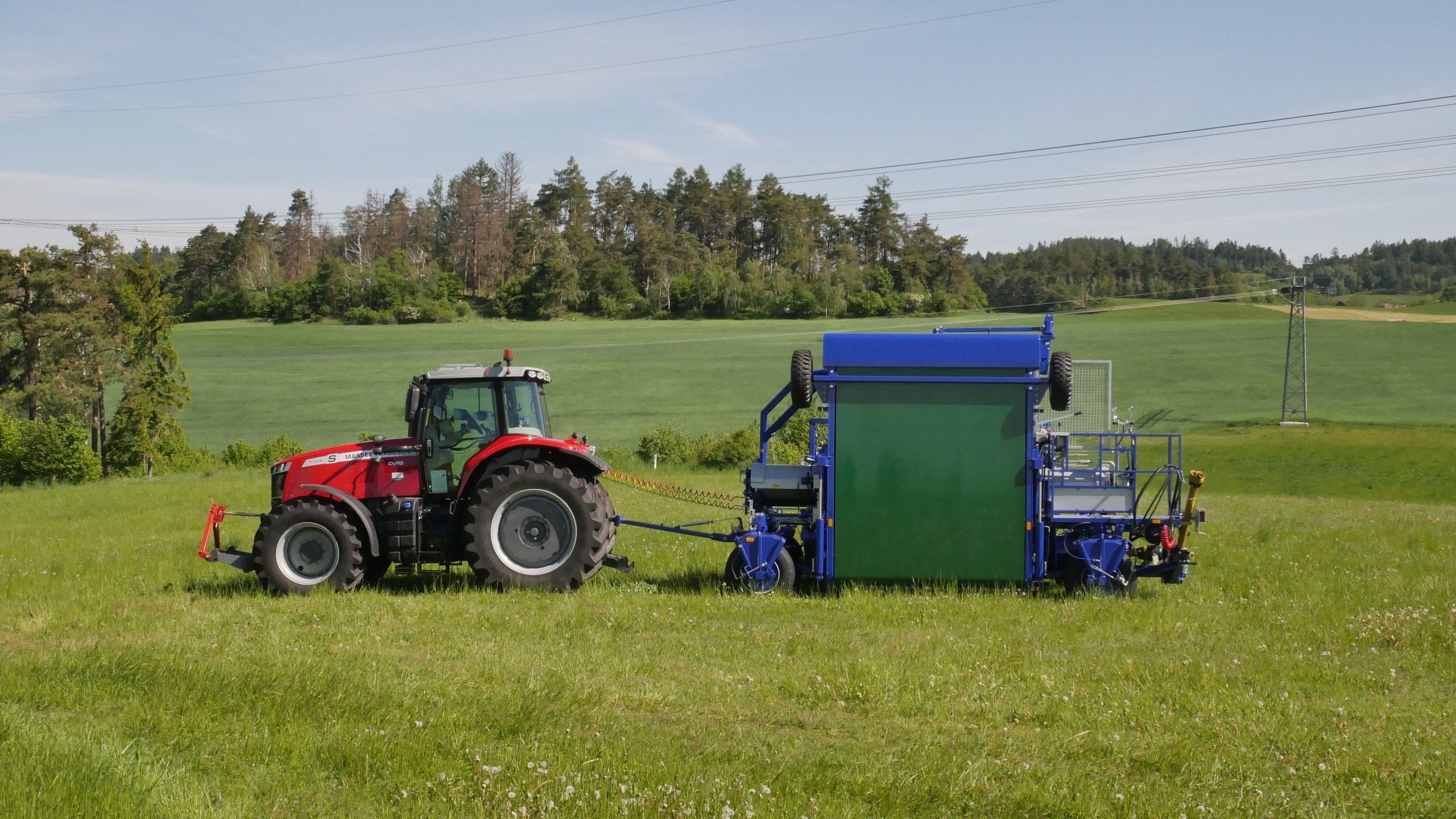
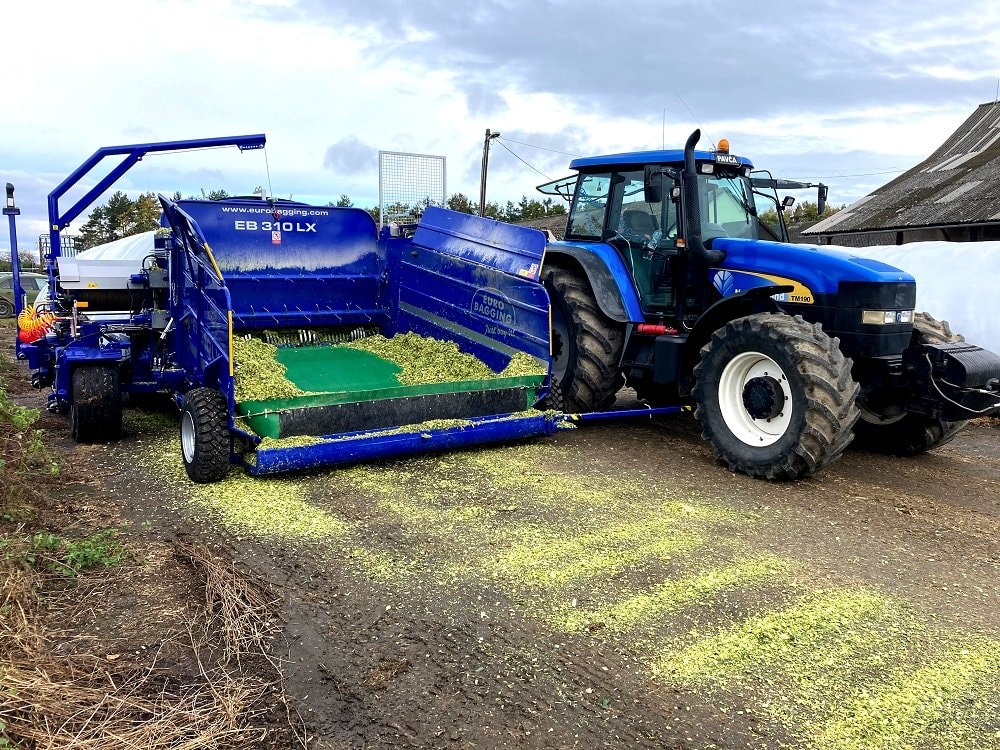
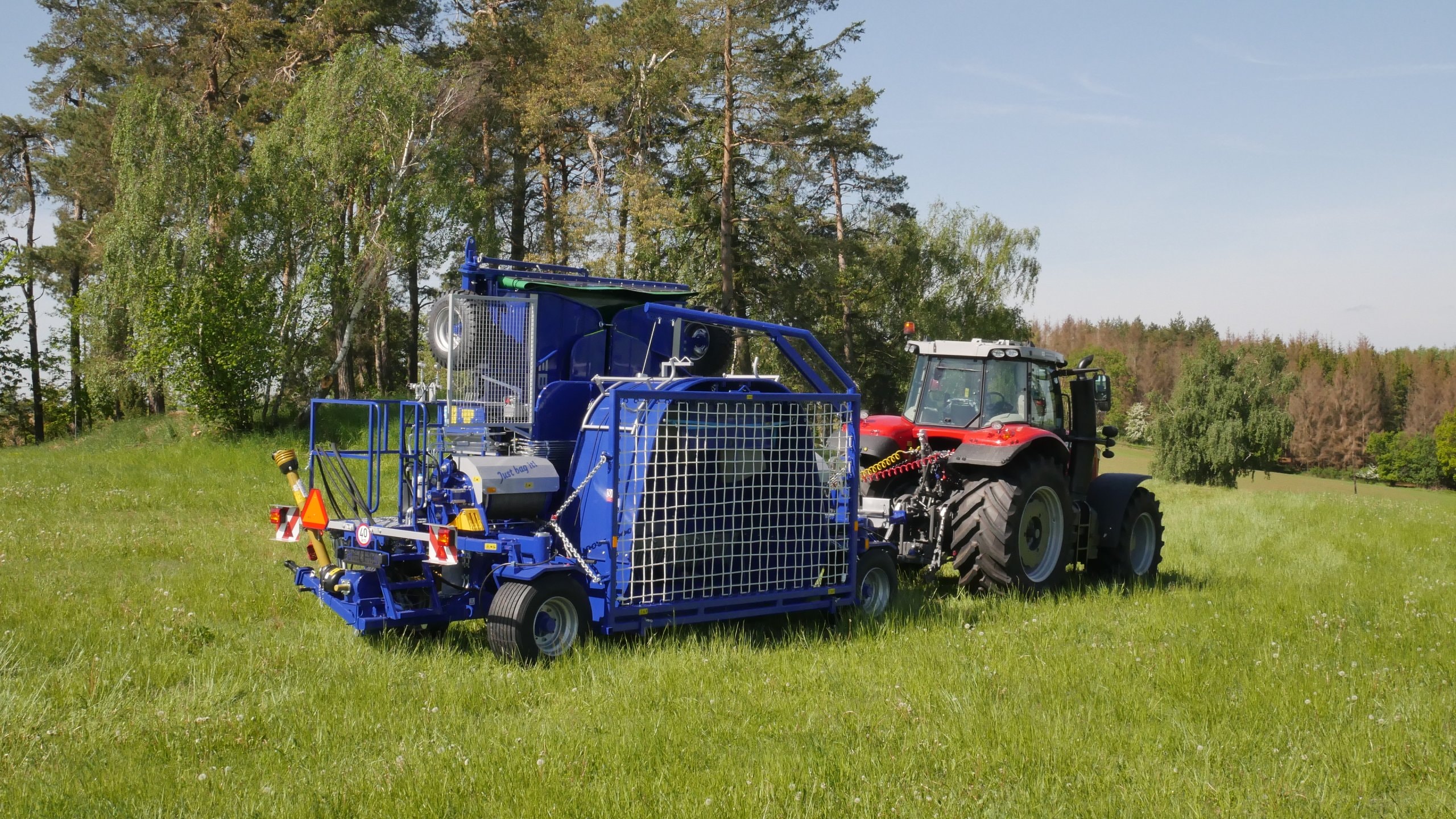
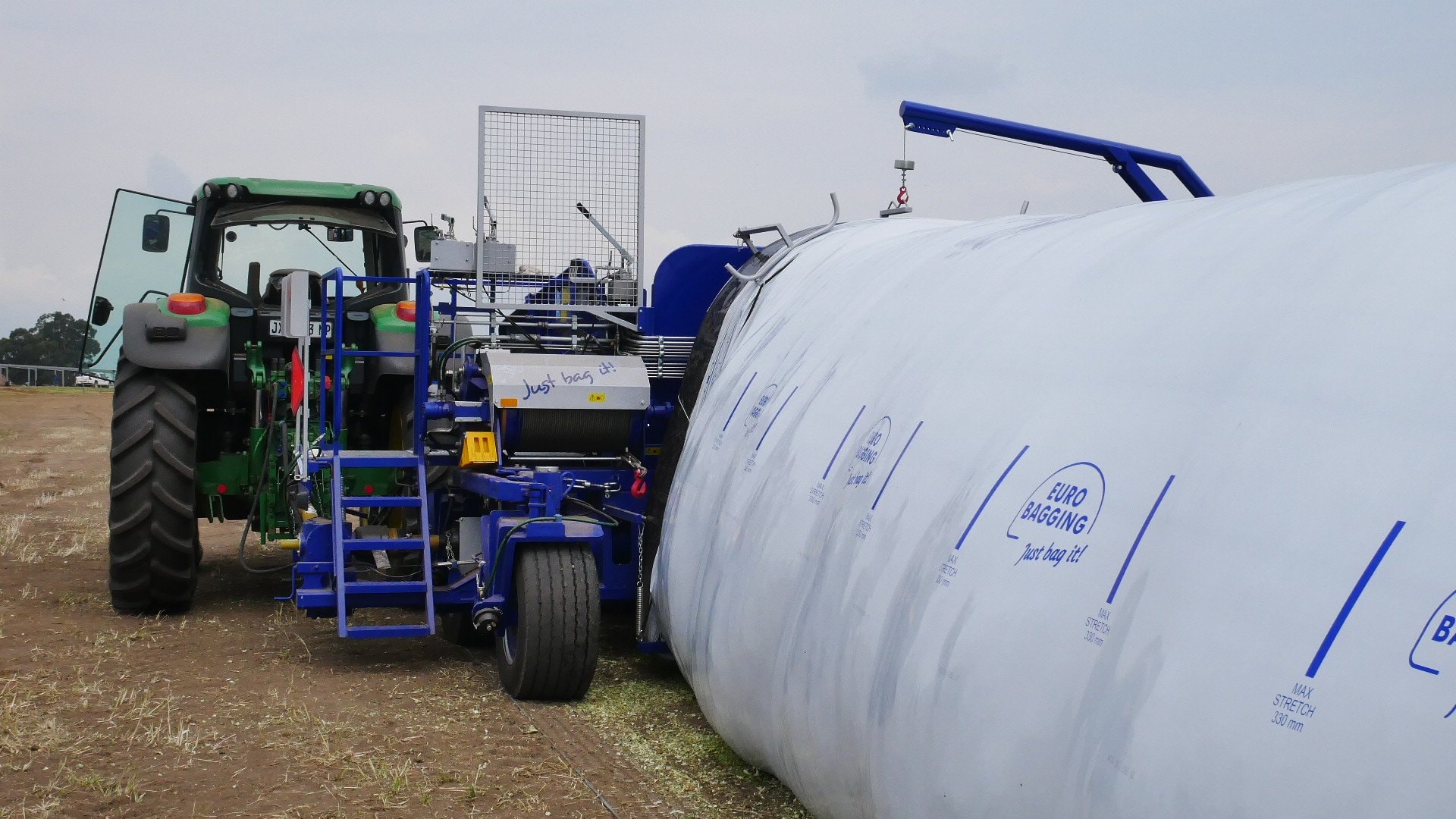
The silage bagger EB 310 LX is a combination of the EB 310 LS and EB 310 LG models. In terms of design, it follows the same concept as the EB 310 LG, offering high performance, optimal speed, and uniform filling of the entire silage bag. A key advantage of this machine is its unique internal cable braking system.
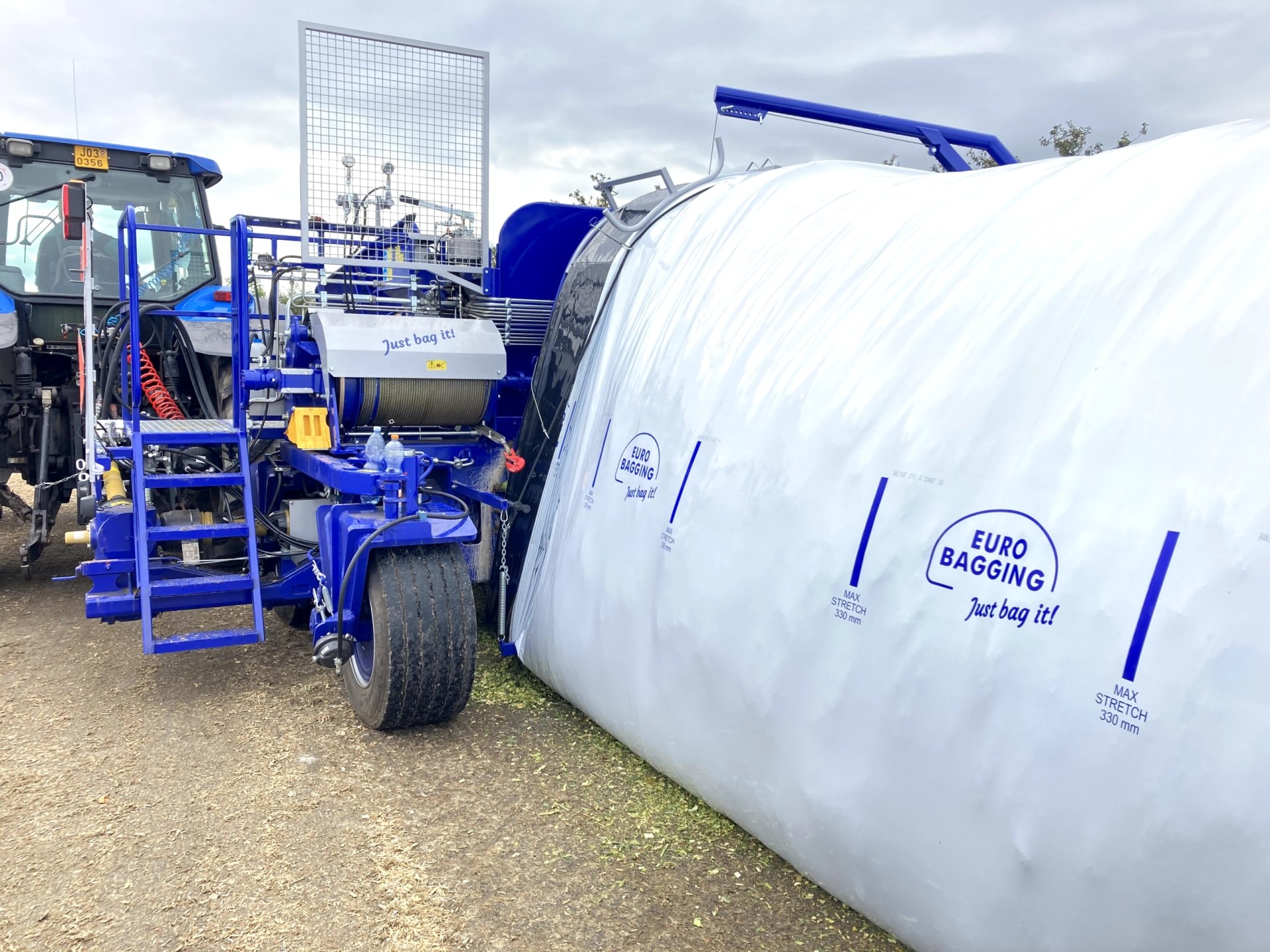
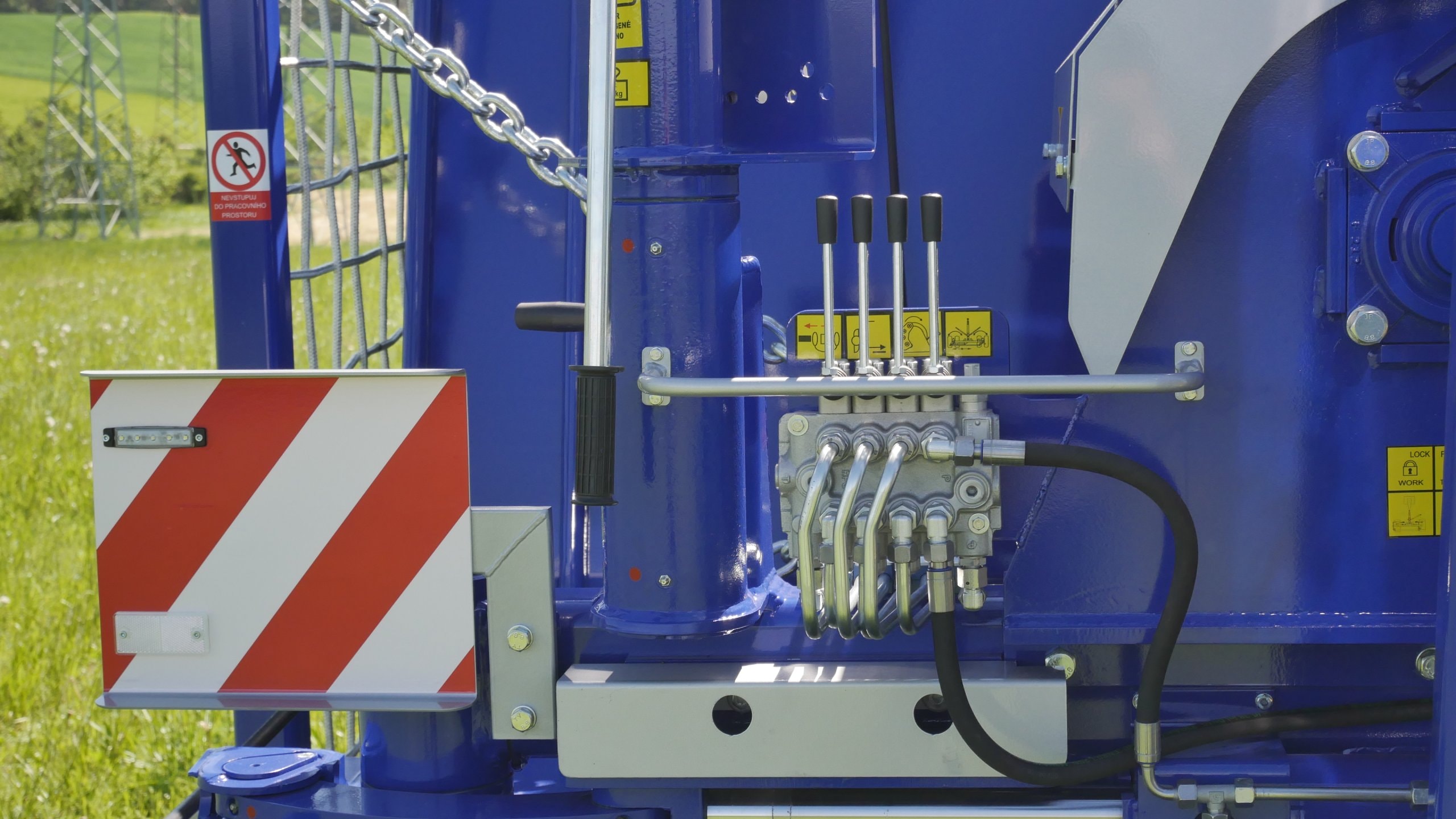
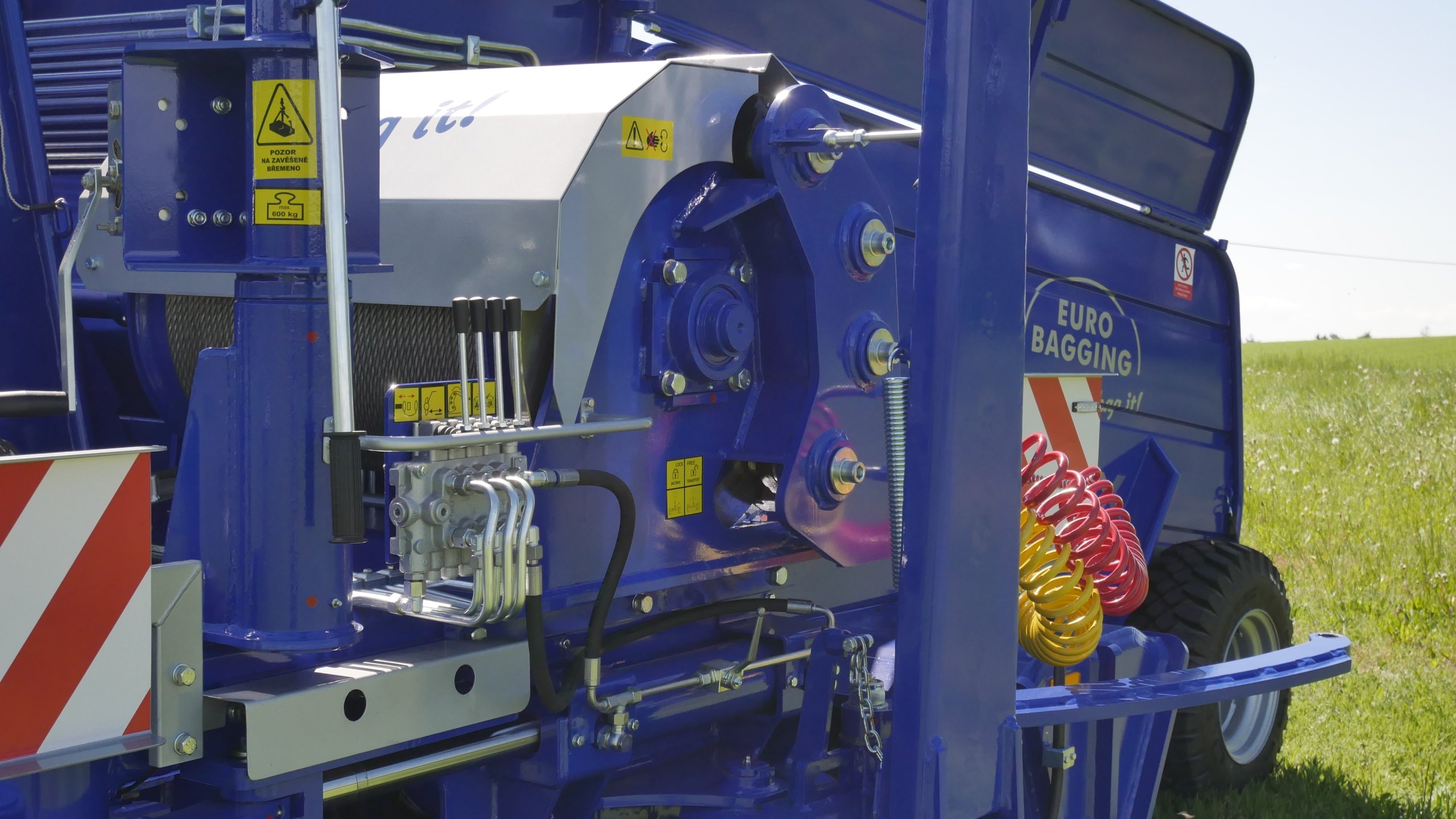
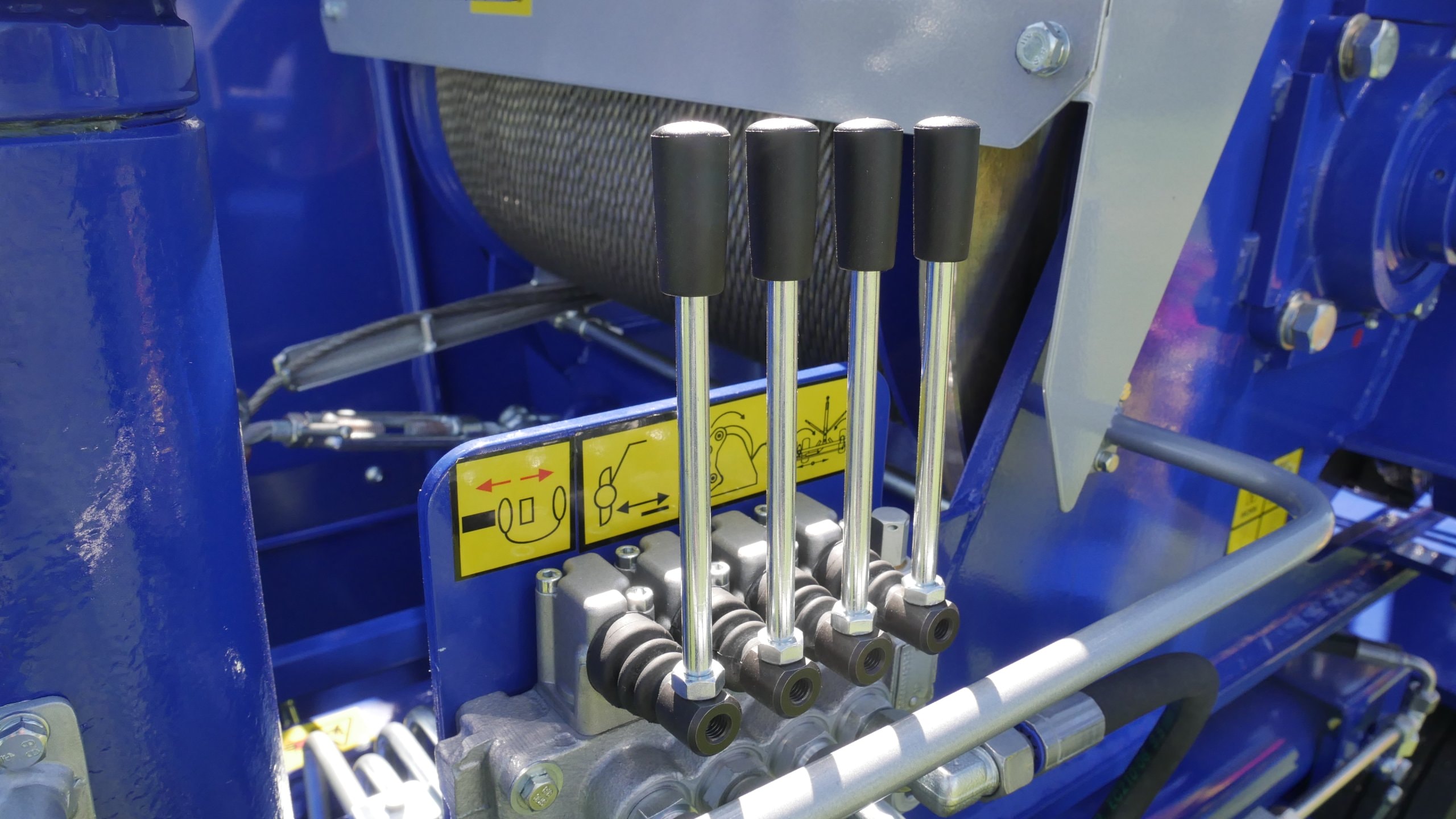
Specifications of the EB 310 LX Silage Bagger
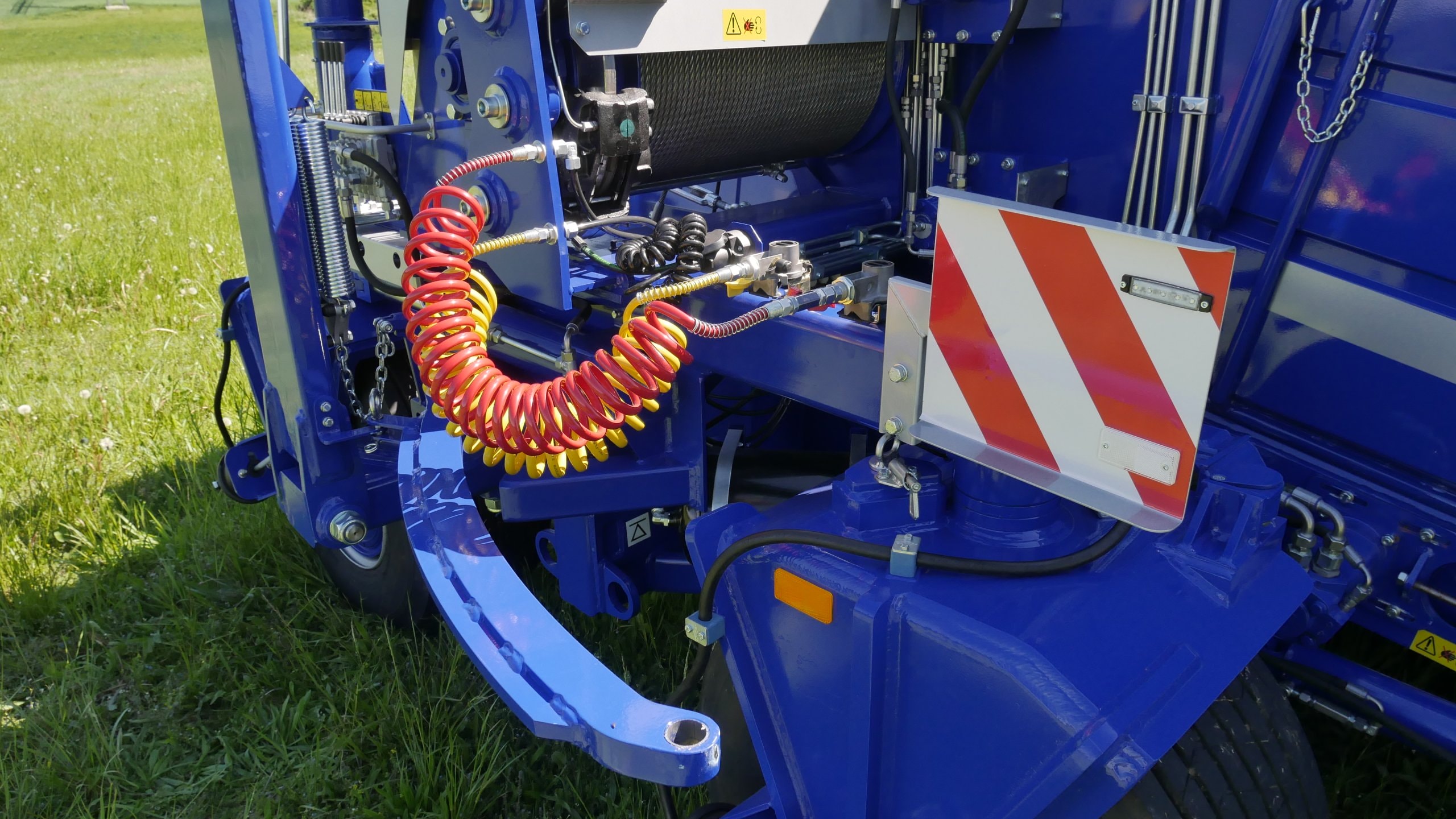
The EB 310 LX silage bagger is a technically advanced machine equipped with the latest features available on the market. Its hydraulic system is adapted for LOAD SENSING, helping to reduce the tractor’s fuel consumption. The machine also allows full interchangeability between all three tunnel sizes — 2.4 m, 2.7 m, and 3.0 m. Each tunnel is extended to eliminate bulging of the silage bag.
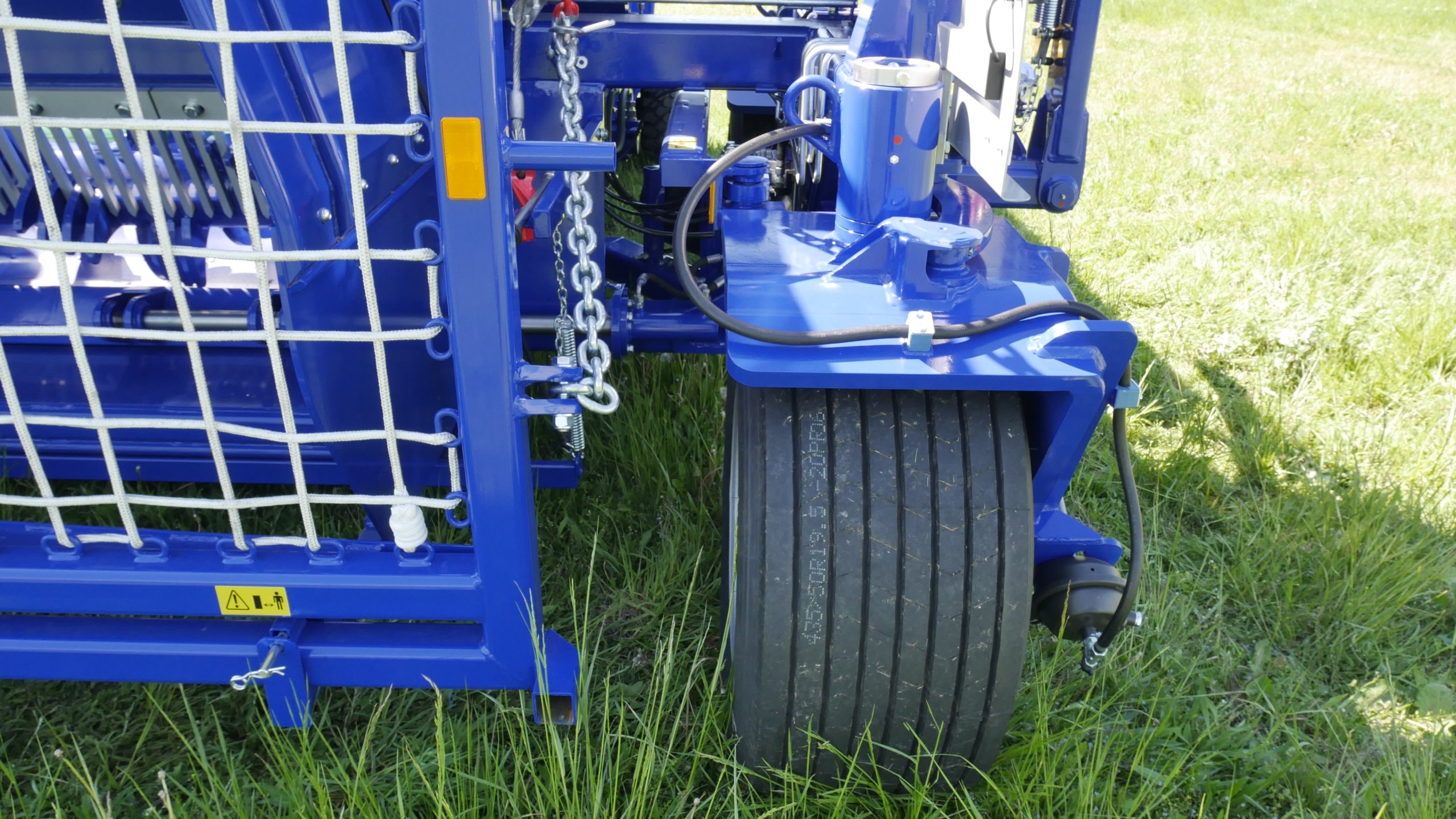
The EB 310 LX is approved for road transport at speeds of up to 40 km/h. Since it is towed on all axles, transport behind a tractor is smooth, even over rough terrain.
EB 310 LX - Technical data sheet
Grass Silage
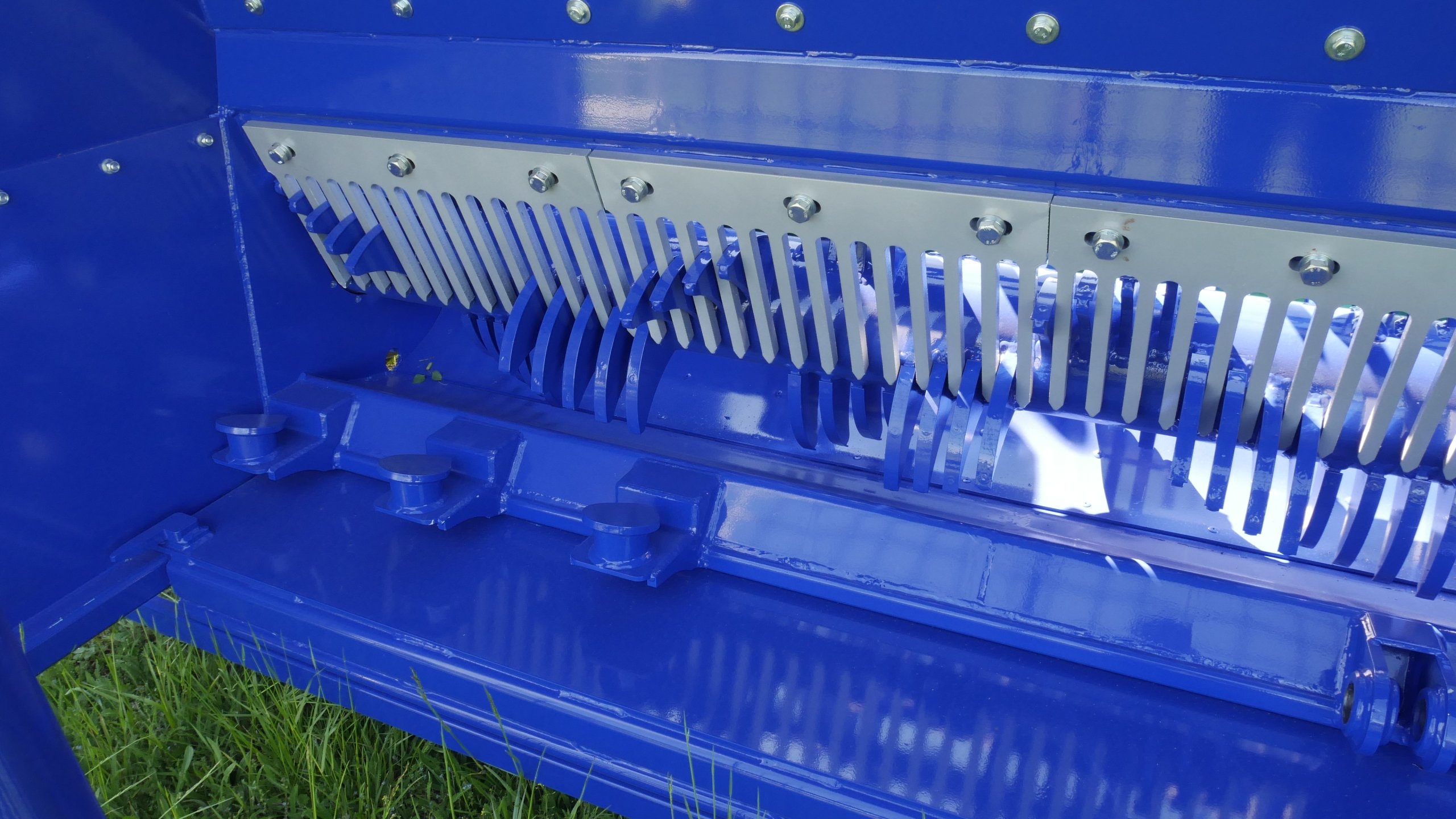
A key to achieving high-quality, well-compacted silage in the bag is the specifically designed rotor with irregularly spaced fingers. This rotor continuously compresses the forage into the compression chamber - also called the tunnel - where all air is expelled. The machine can effectively compact all types of grasses, grass-clover mixes, alfalfa, and various blends. To ensure optimal silage quality, it’s essential to follow proper harvesting practices - especially maintaining the correct chop length and optimal dry matter content.
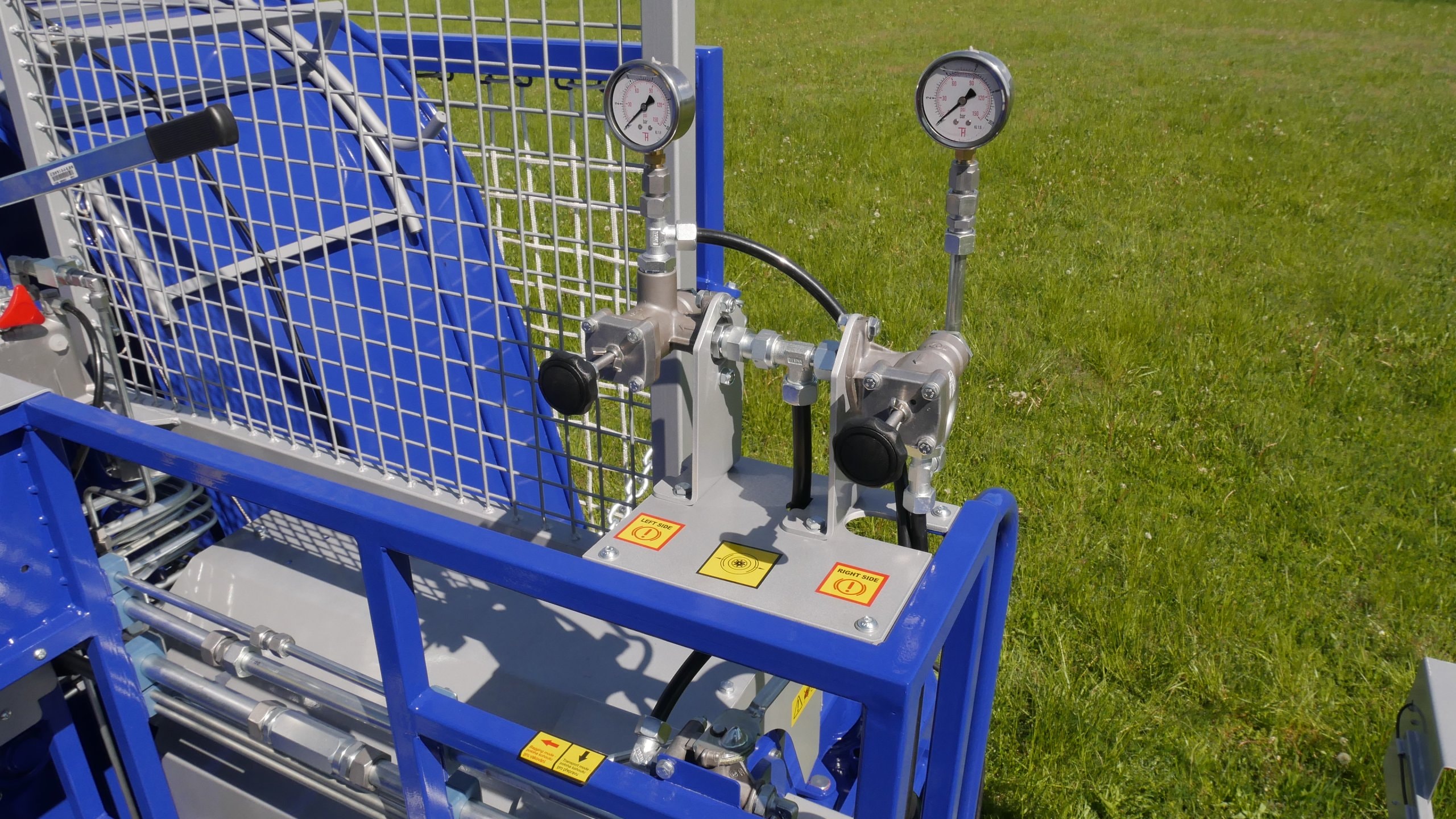
Silage from self-loading forage wagons can also be bagged, but it’s important to ensure the wagon knives are sharp. In general, the longer and drier the chopped material, the more difficult it is to compact it inside the bag, and the final silage quality may decrease. Proper compaction is achieved using disc brakes, which hold a barrier at the end of the bag via steel cables. The EB 310 LX is equipped with four large brake calipers that ensure smooth and gradual cable release, without jerks or sudden tension drops.
Corn silage
Bagging corn silage is typically easier than bagging grass silage. Corn is looser in structure, and the bag tends to be more uniform. Additionally, lower braking pressure is used. If the terrain is suitable, the machine can even operate without a rear gate. In the case of internal braking - where a looped cable passes through the bag-braking is also supported by the wheels via the air brake system. The braking force is controlled from the operator platform.
With this system, you can produce silage bags longer than 75 meters - typically 90 or 120 meters. Internal braking is also more convenient: there’s no need to lay down steel cables, wind them at the end of the bag, or move the barrier from bag to bag. According to customer feedback, daily output with the internal braking system is 30% higher compared to traditional gate-based bagging.
