
Silage bagger EB 310 LG
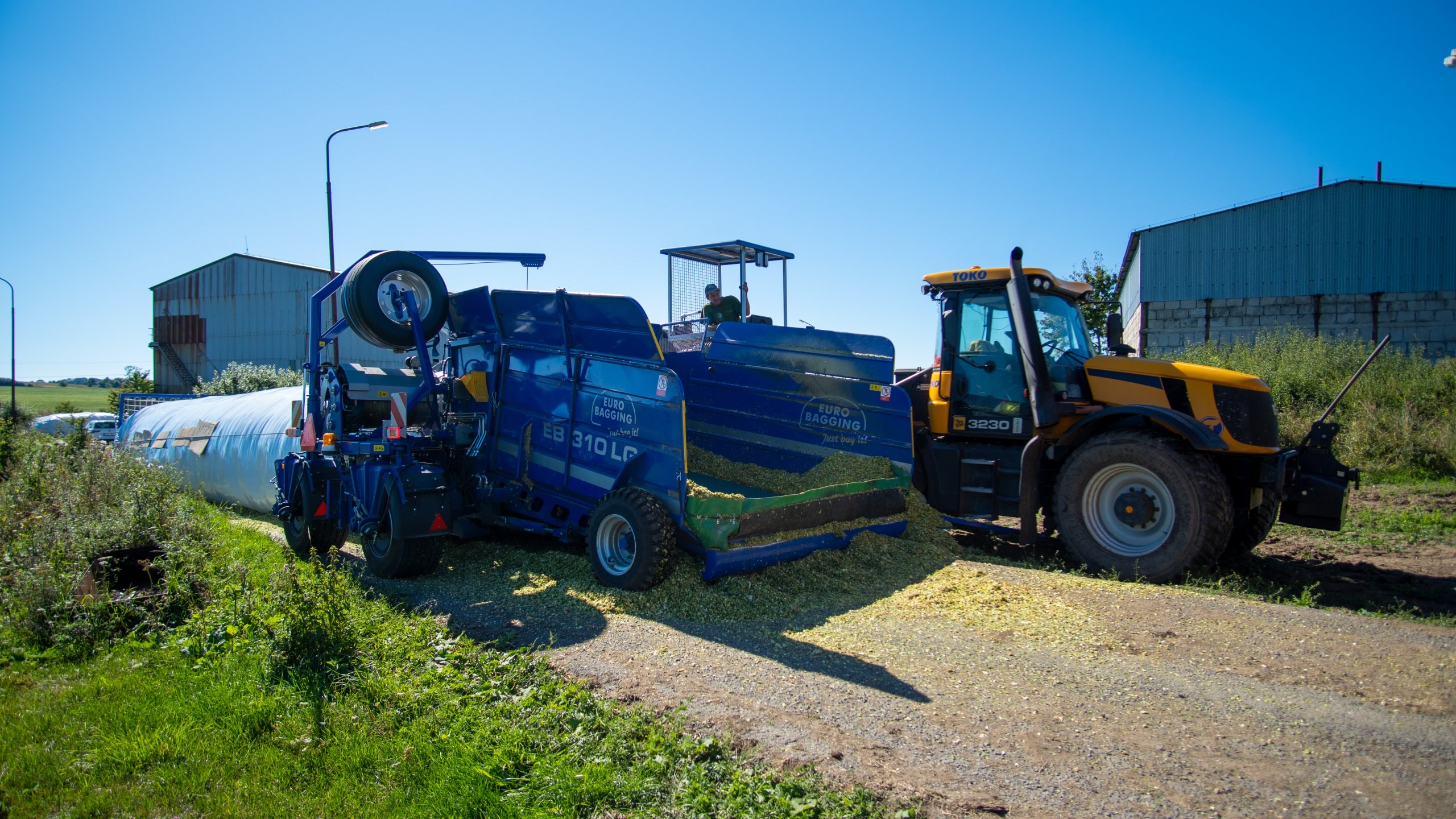
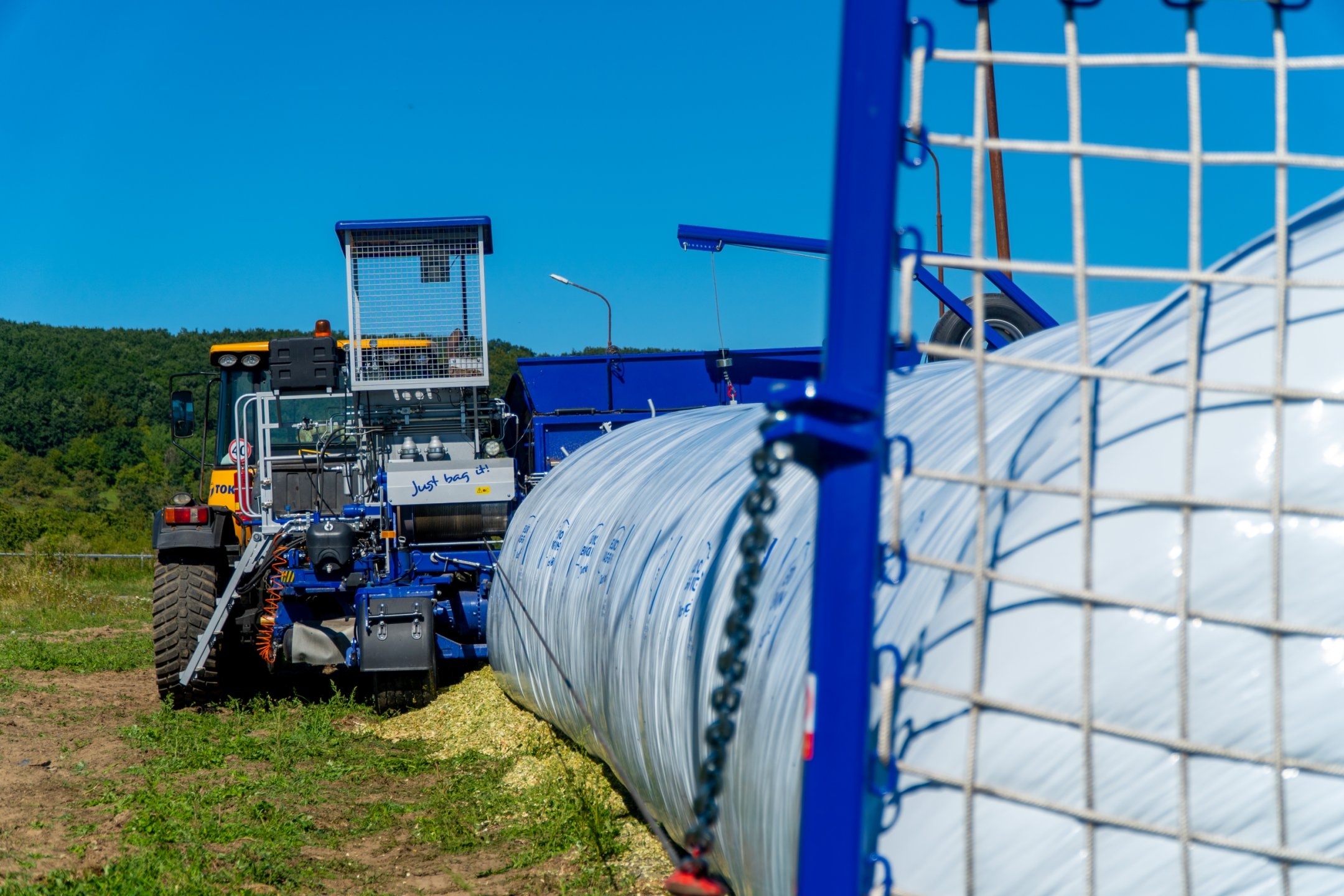
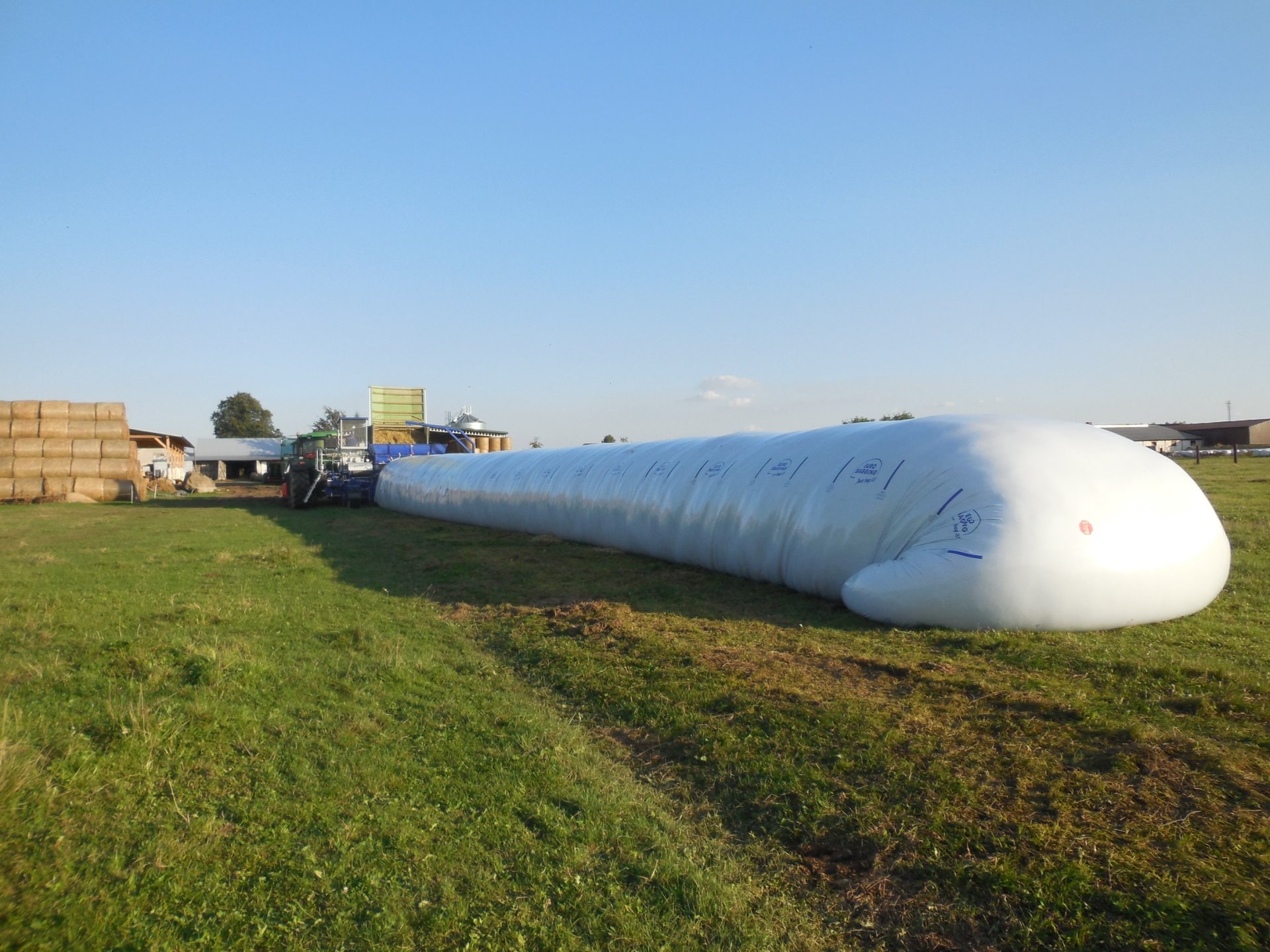
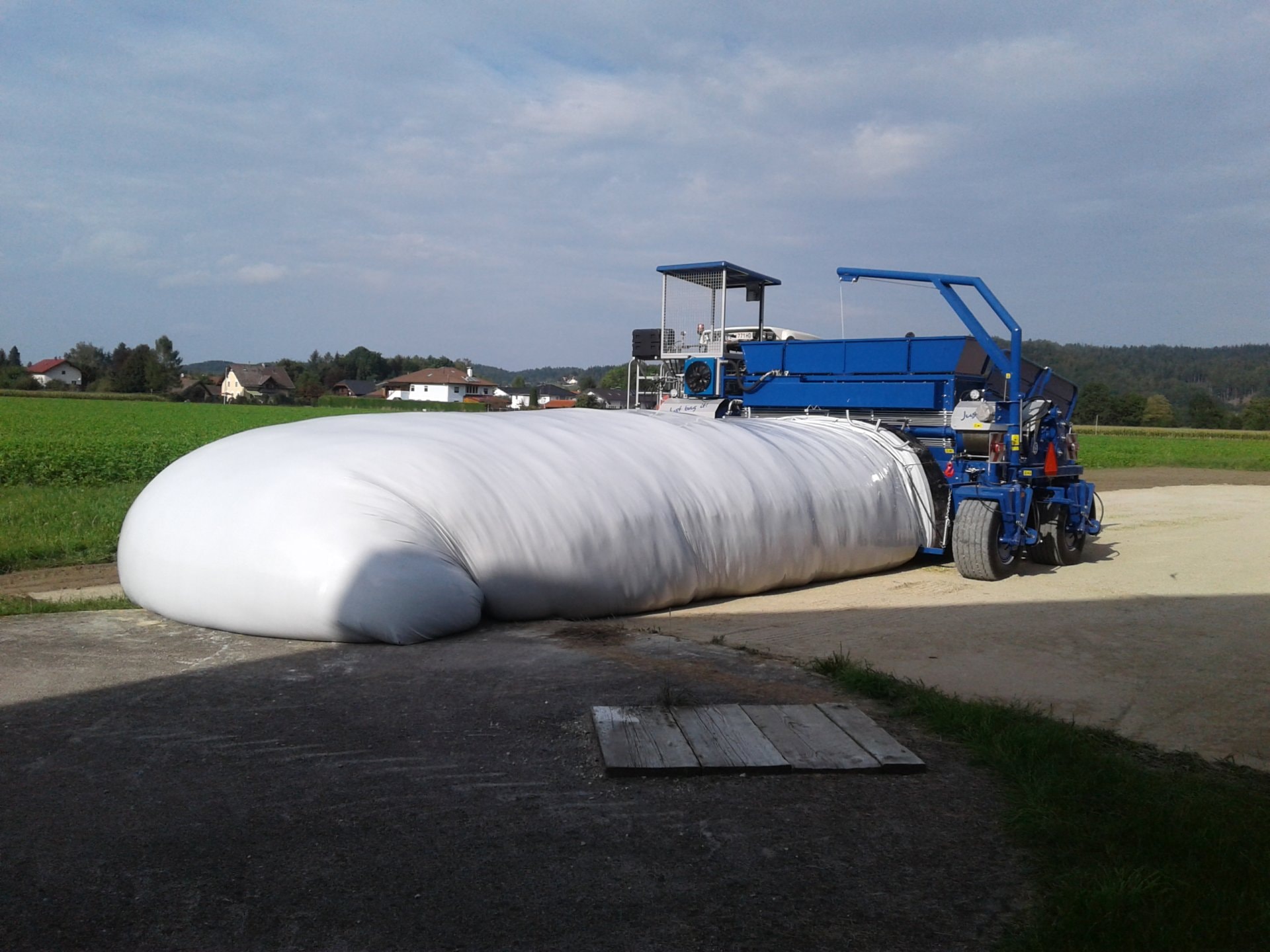
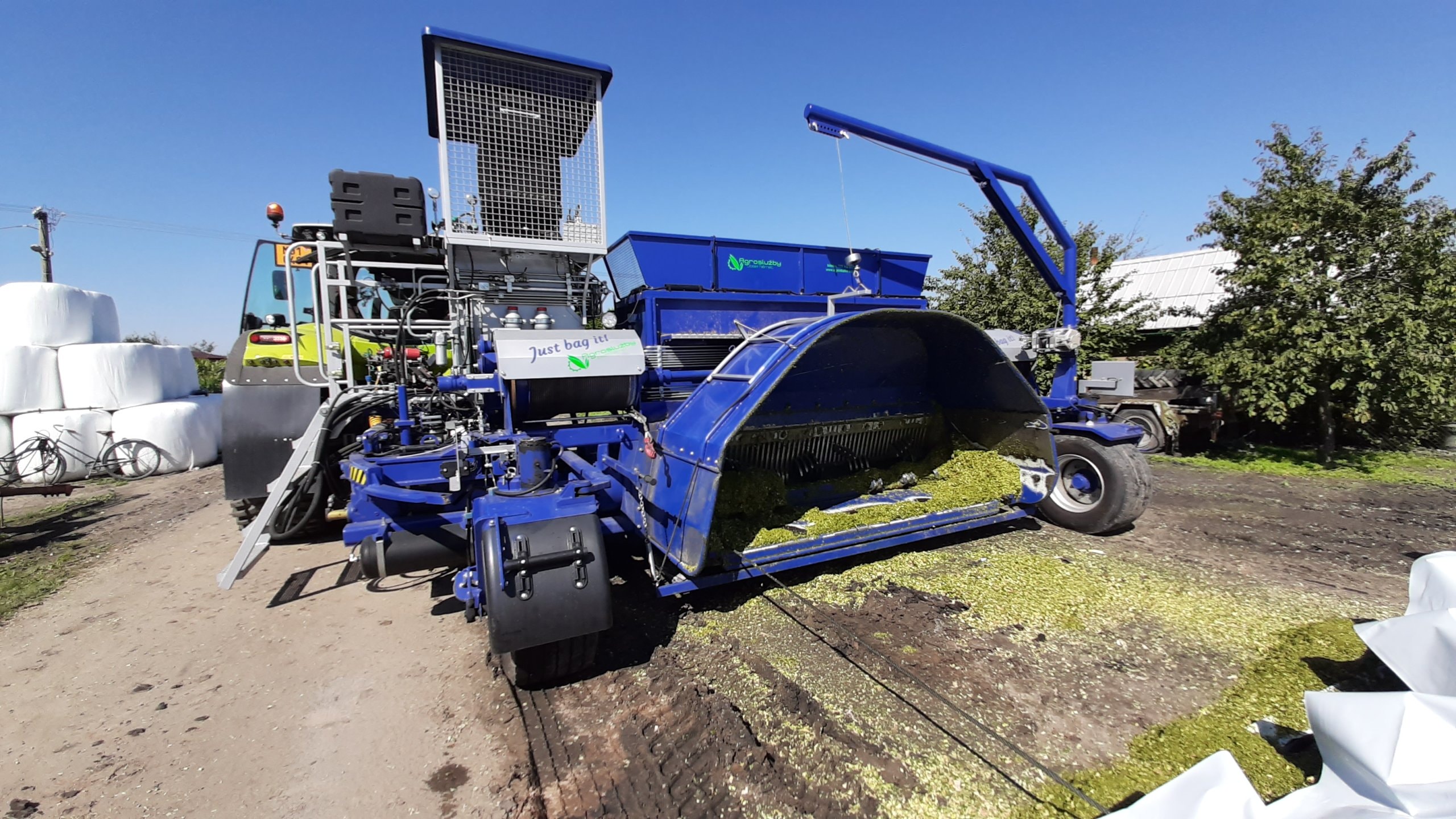
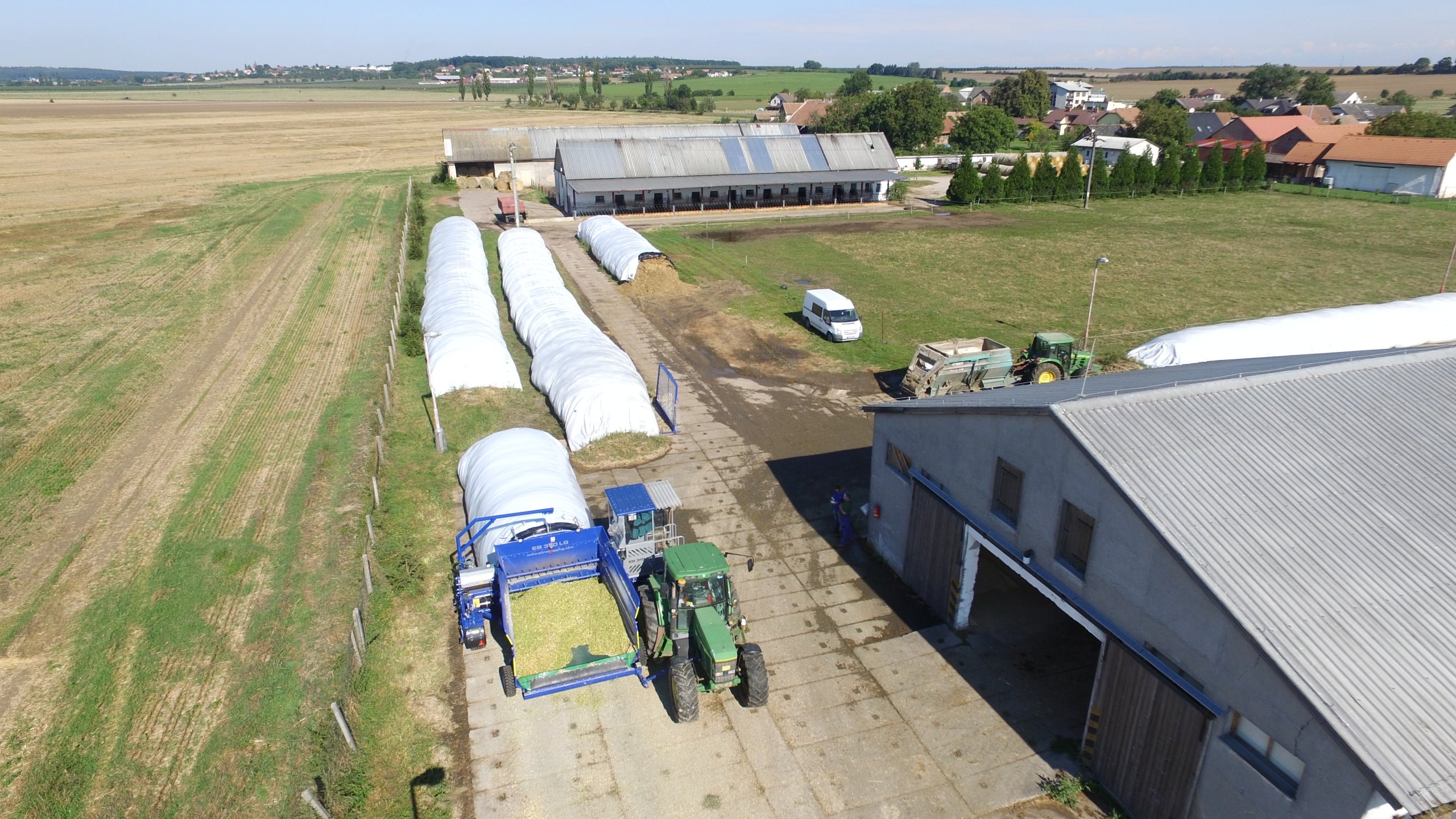
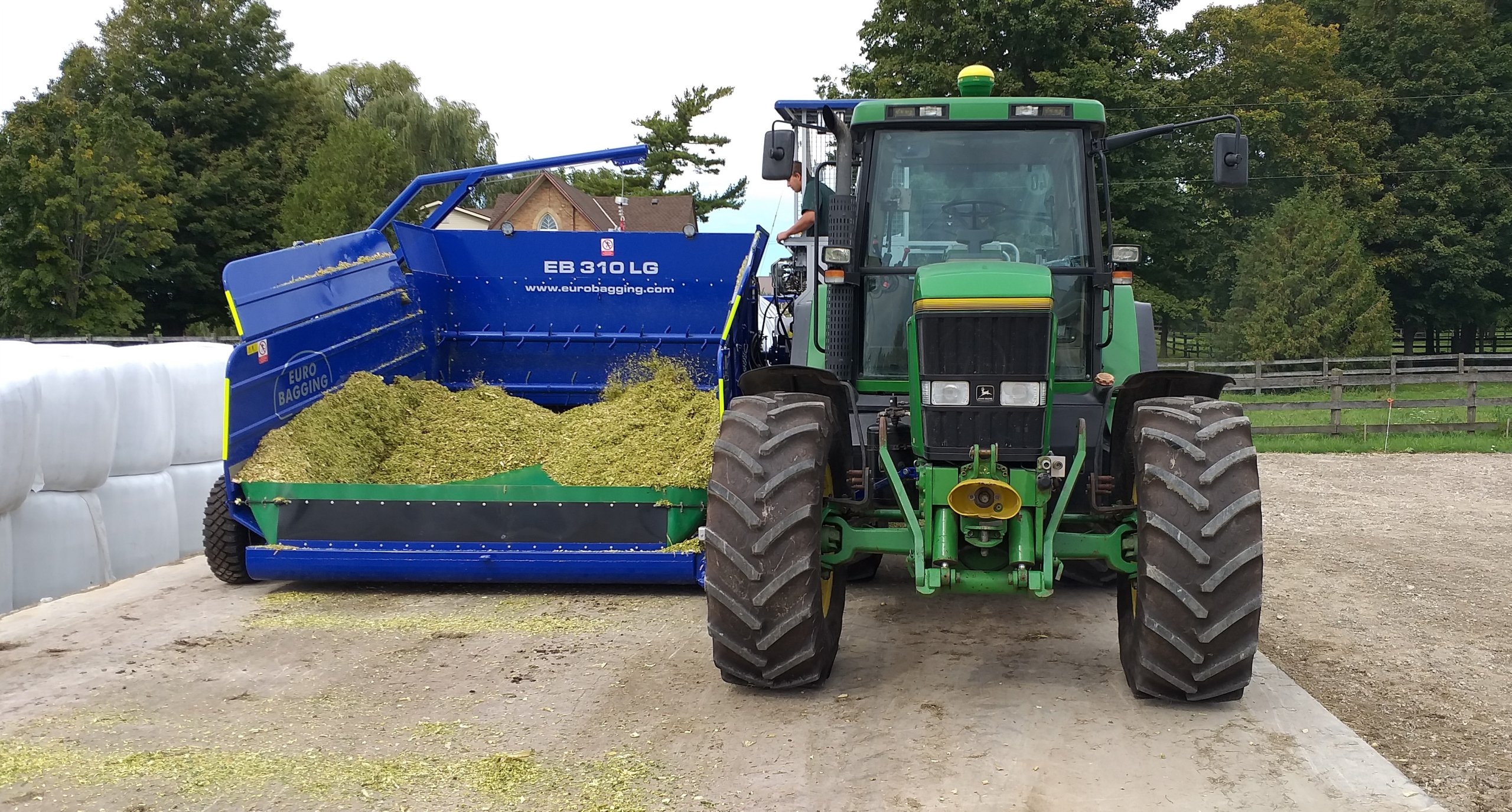
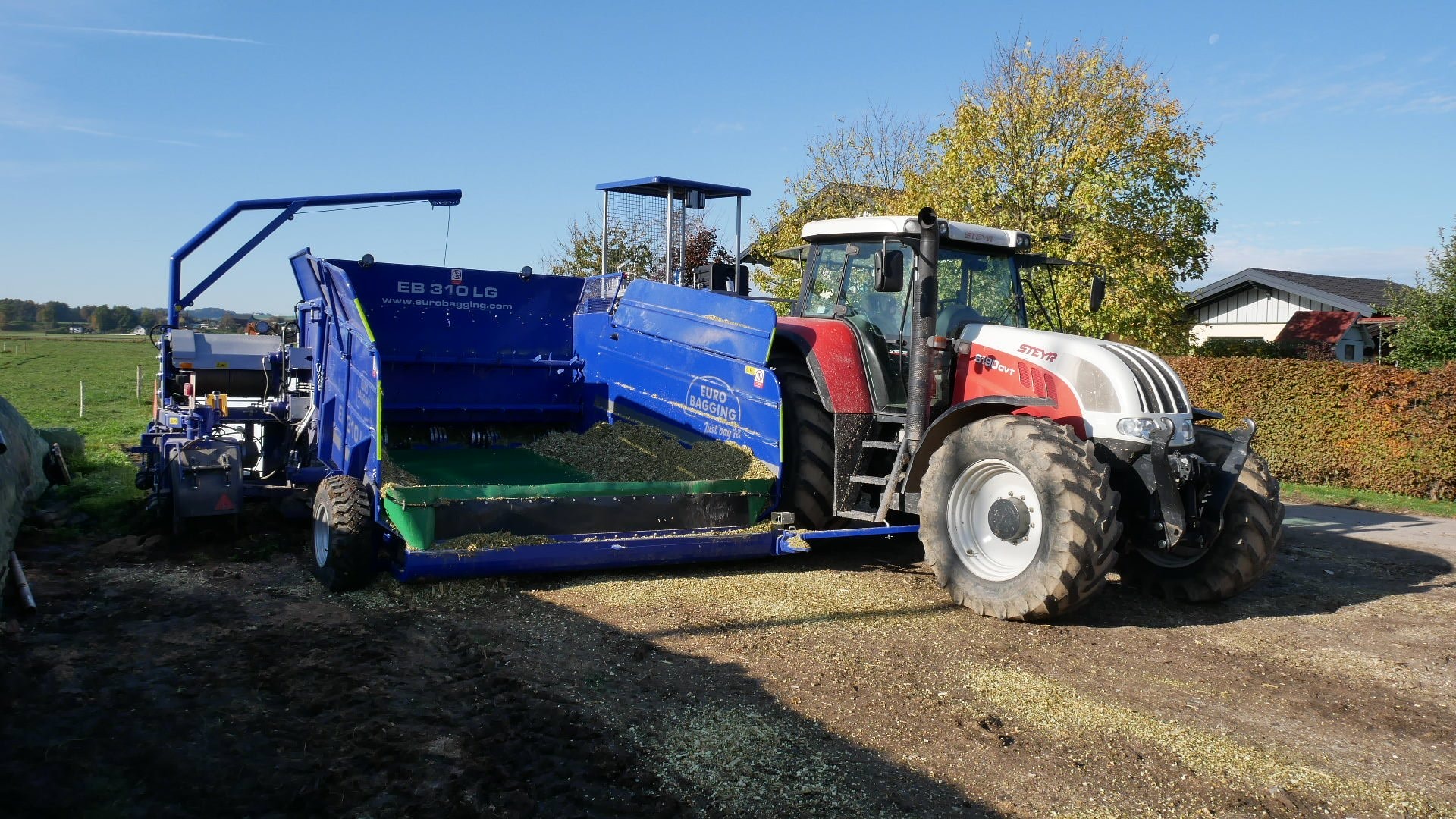
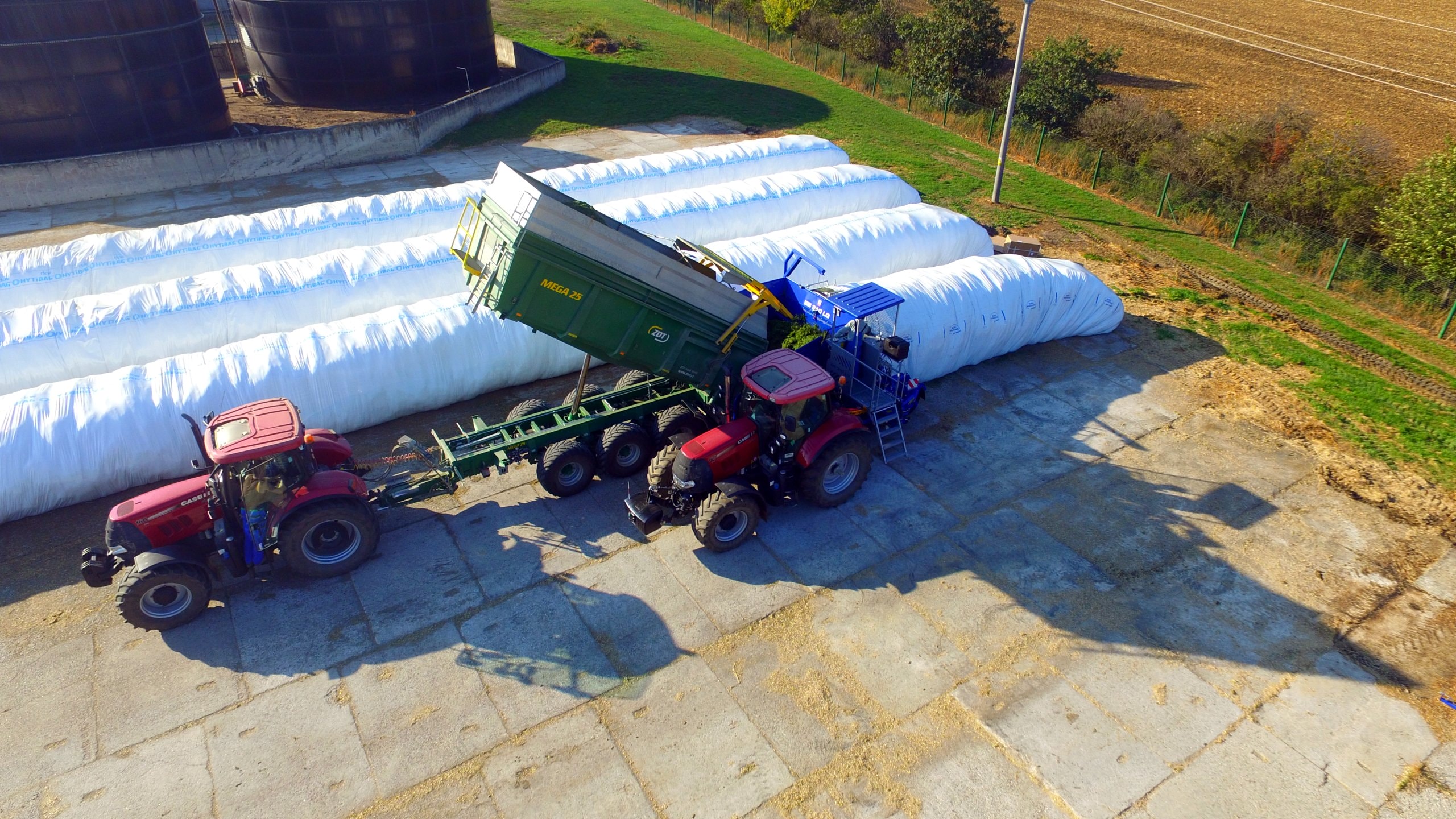
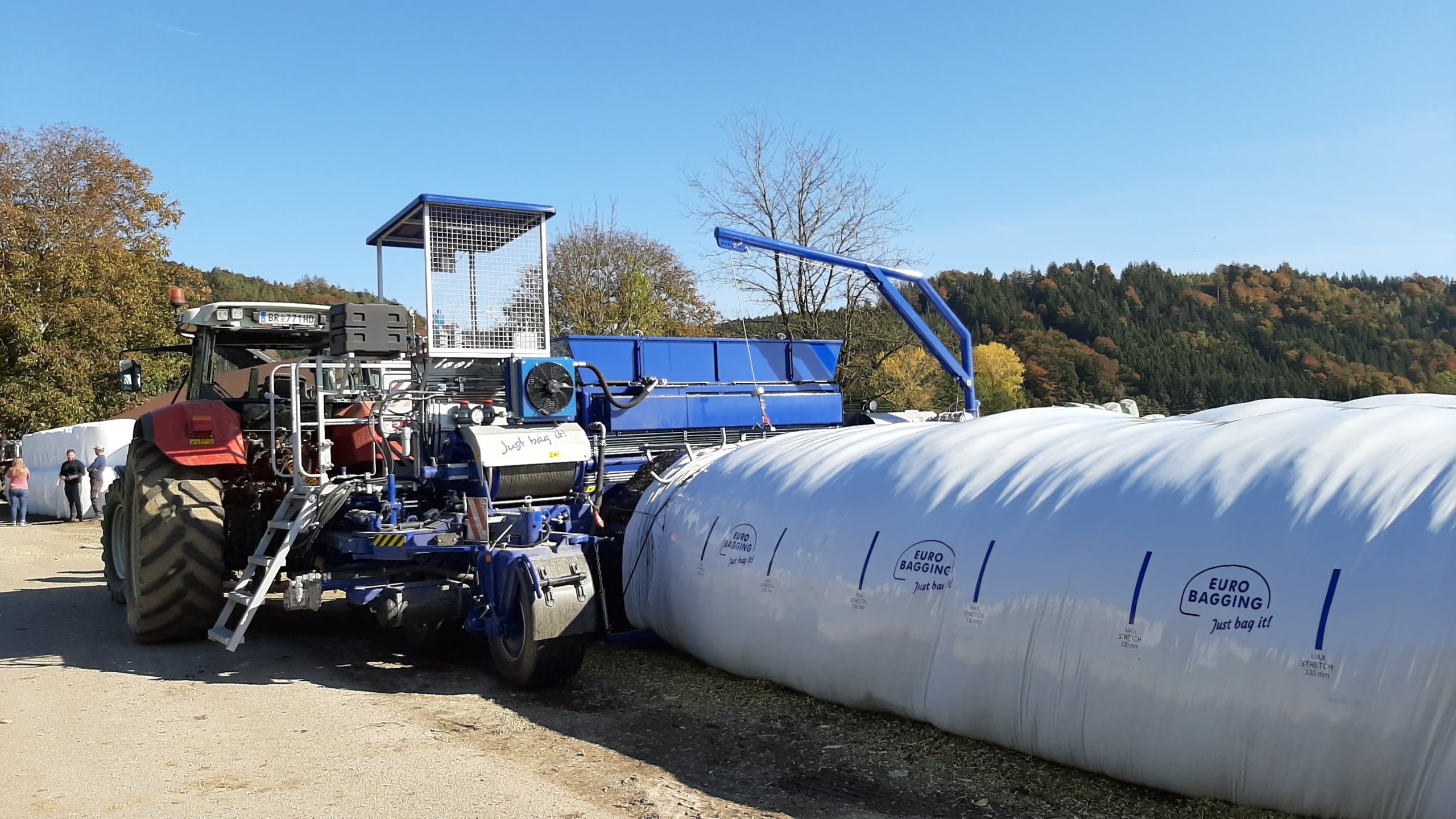
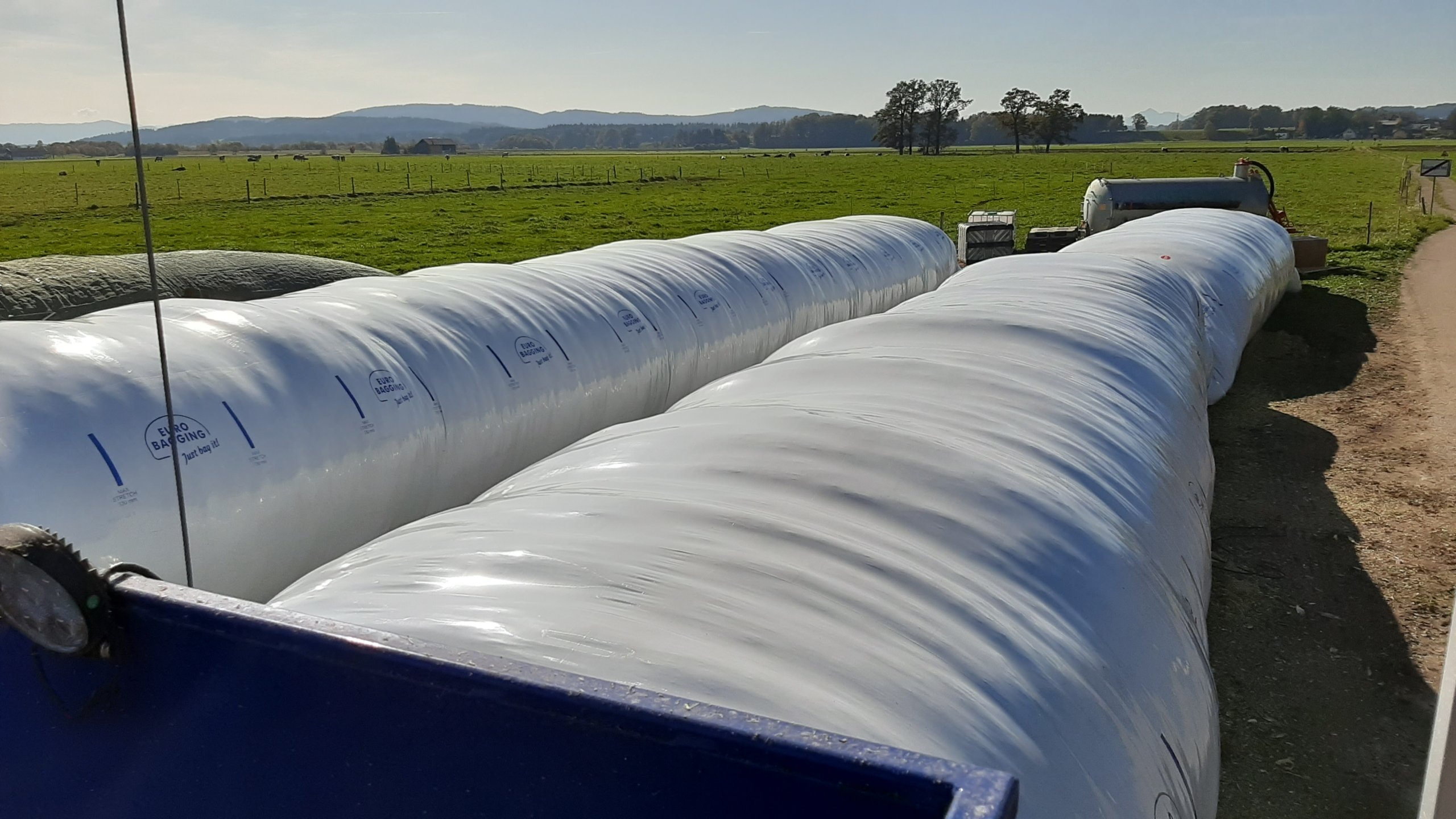
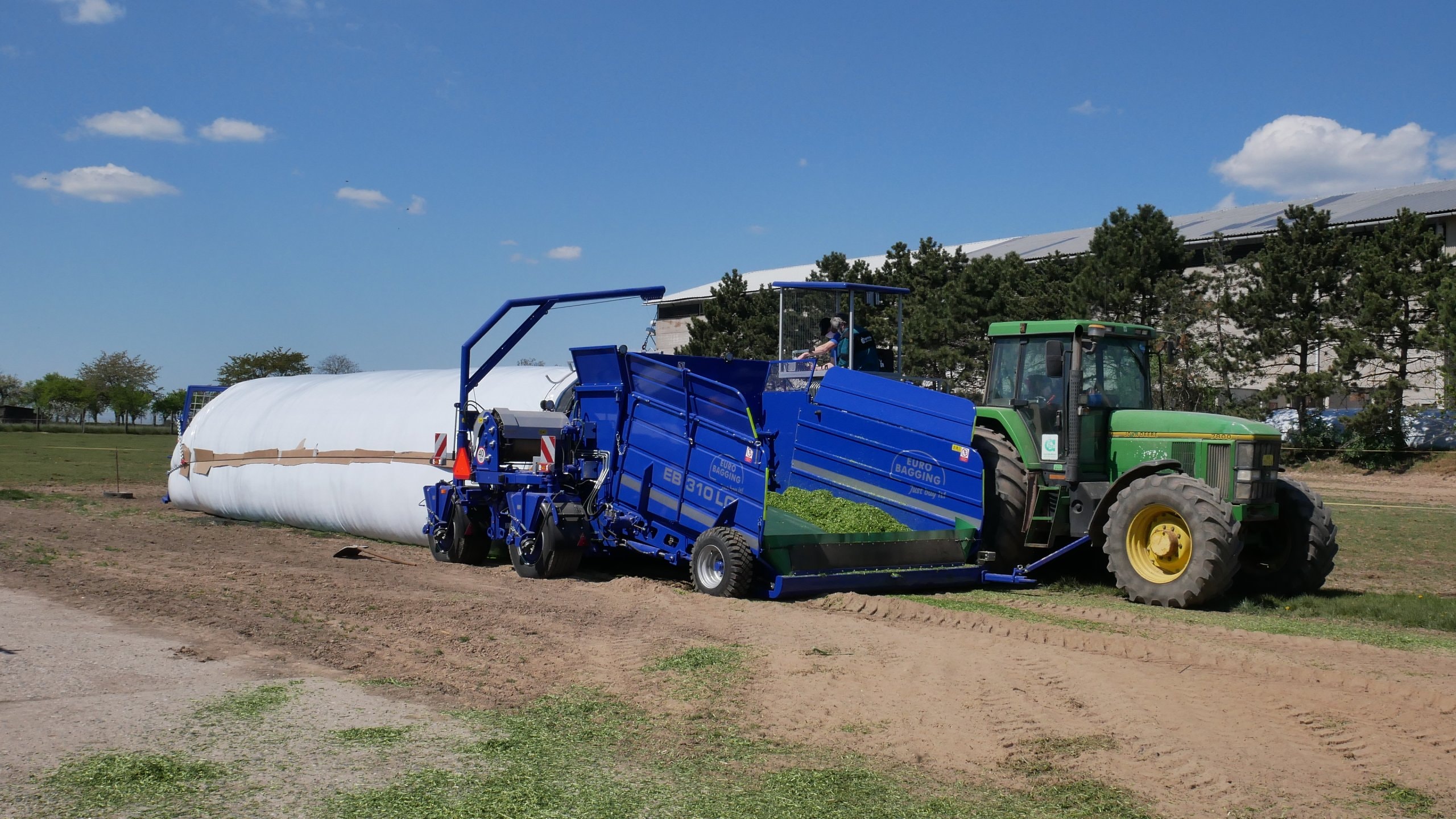
The EB 310 LG silage bagger is currently the most sought-after model among all our machines. Its popularity comes from its optimal working speed, stability, high performance, and uniform bag filling. Additional advantages include fast and convenient setup for bagging, a robust frame construction, and the ability to operate the bagger both from the tractor cab and the onboard platform simultaneously.
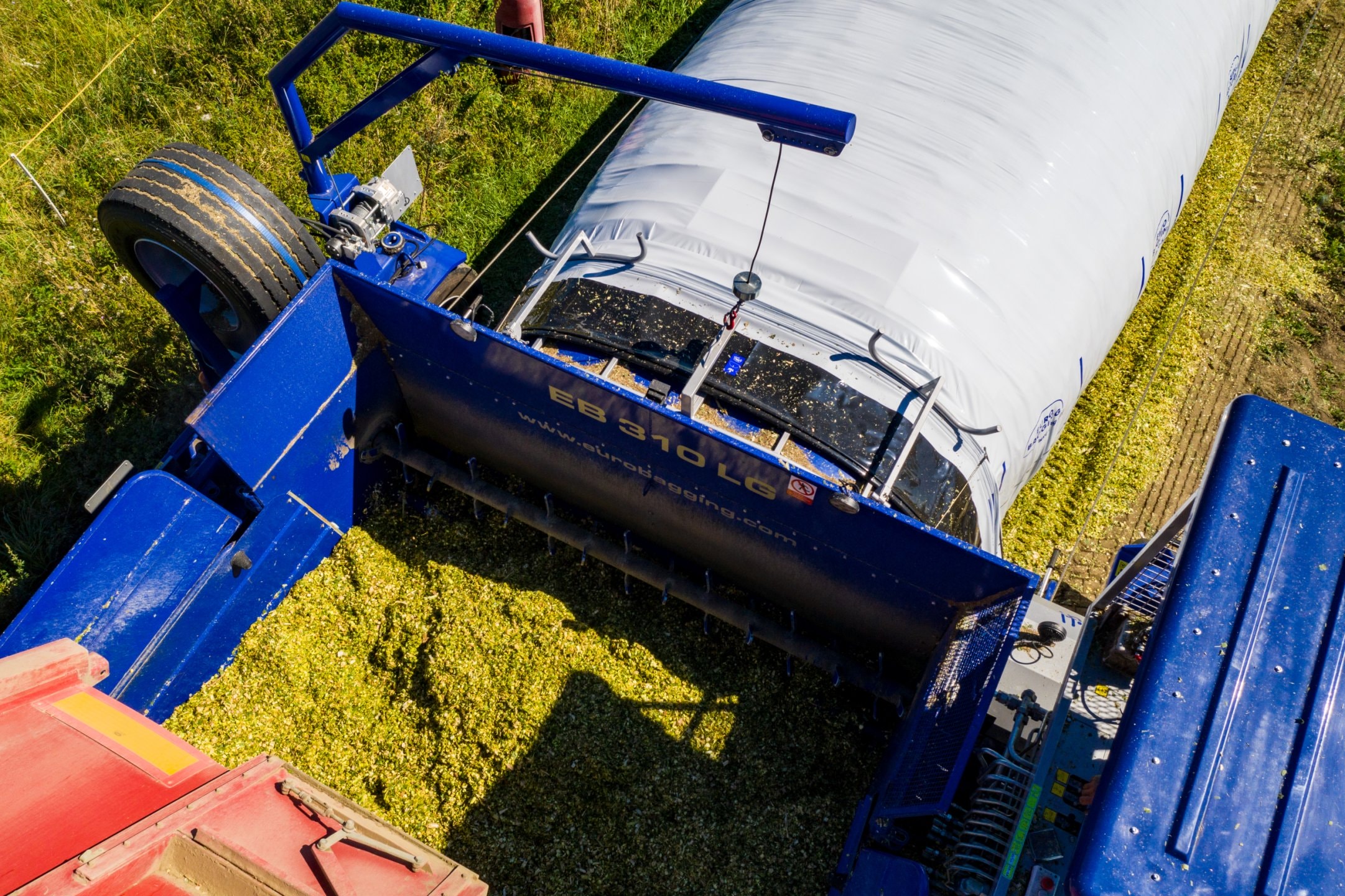
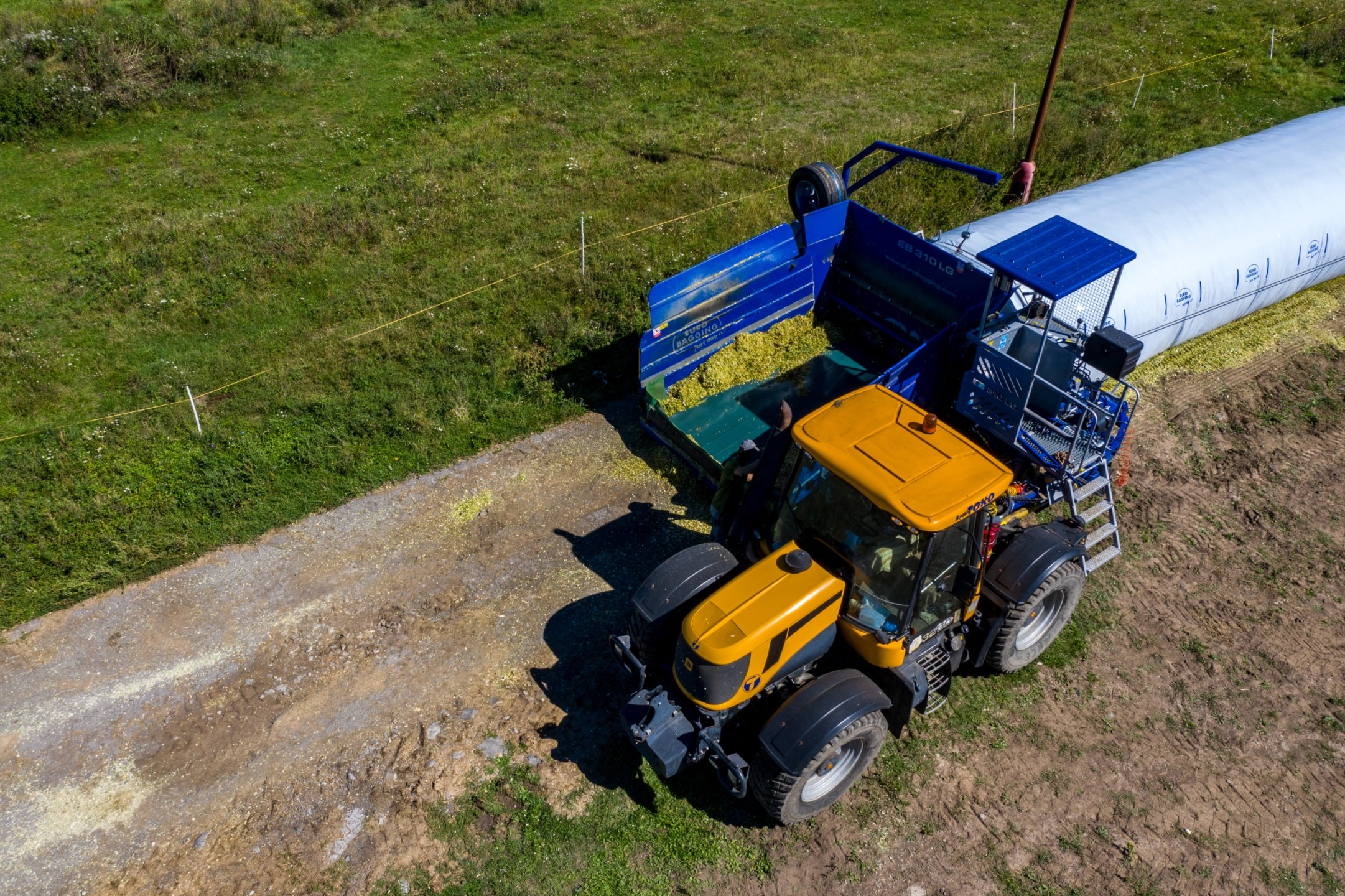
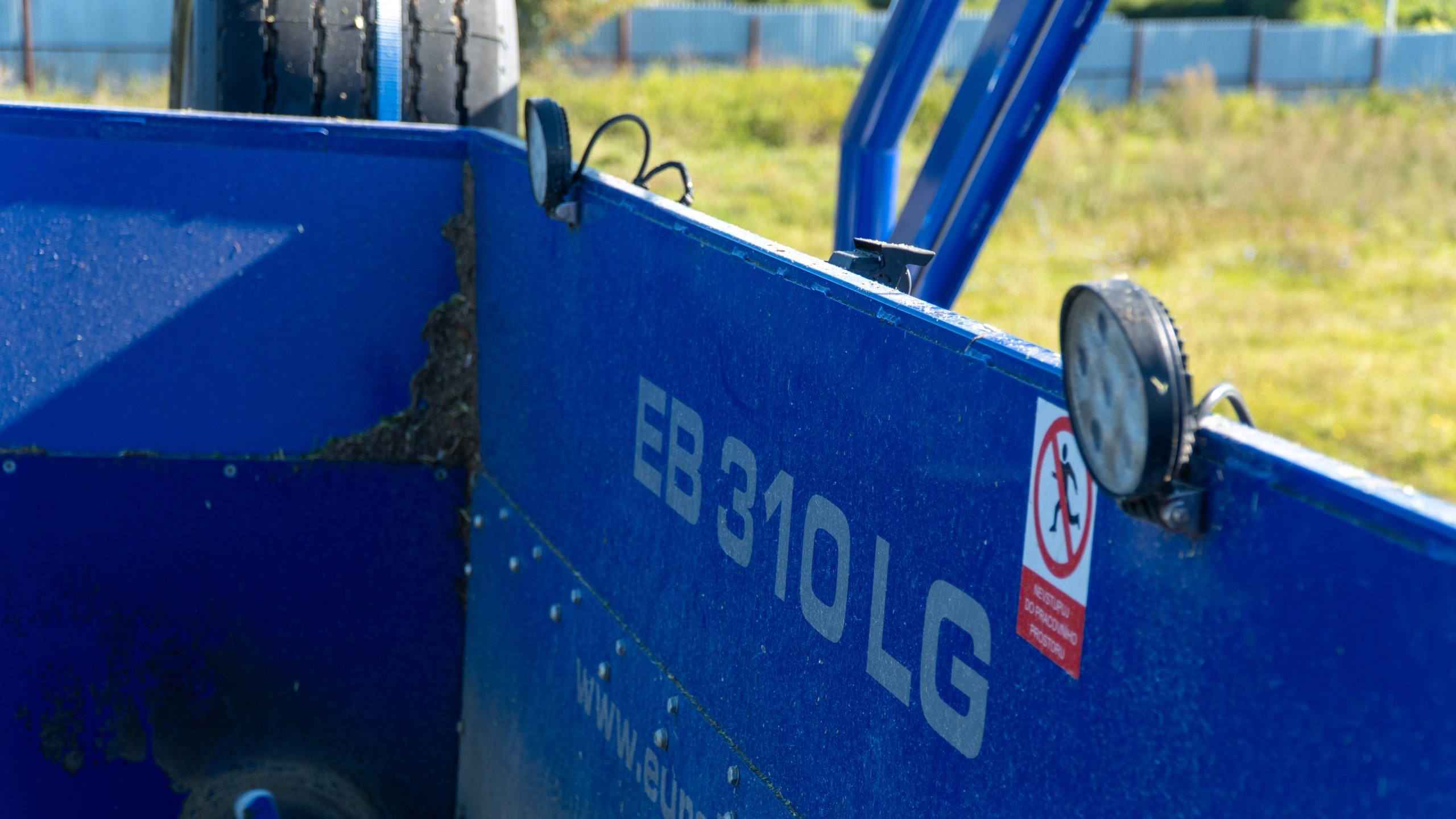
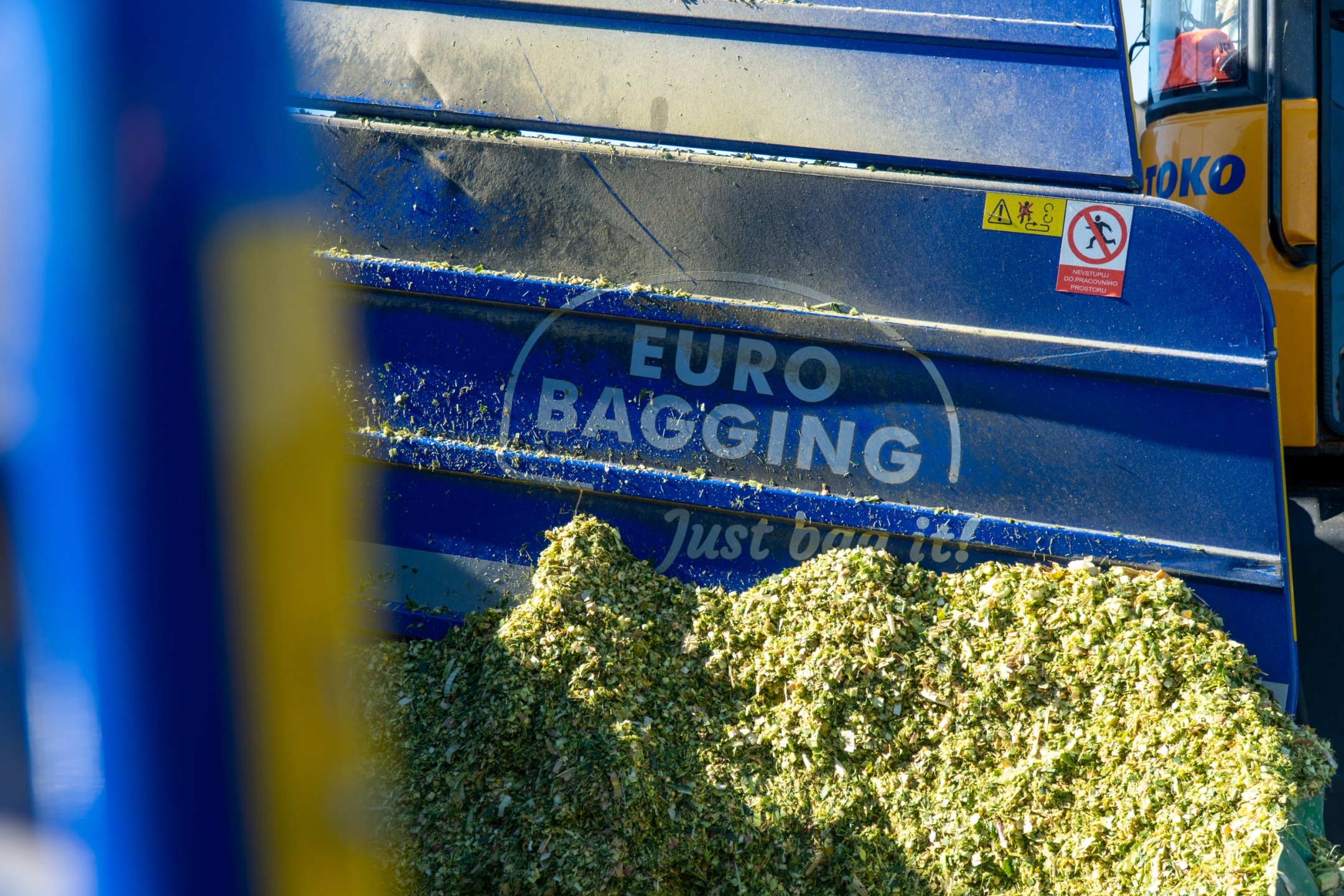

Specifications of the EB 310 LG Silage Bagger
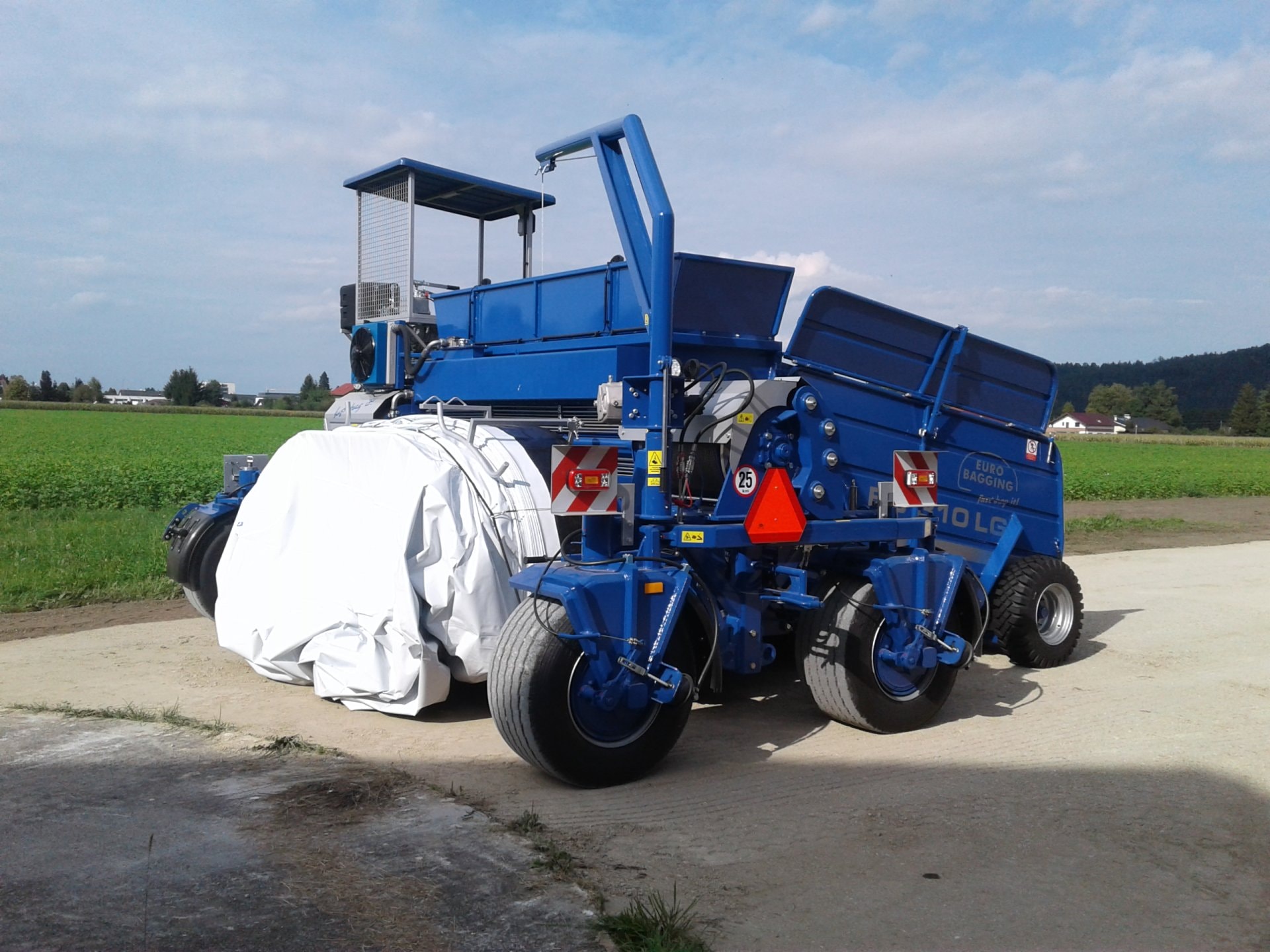
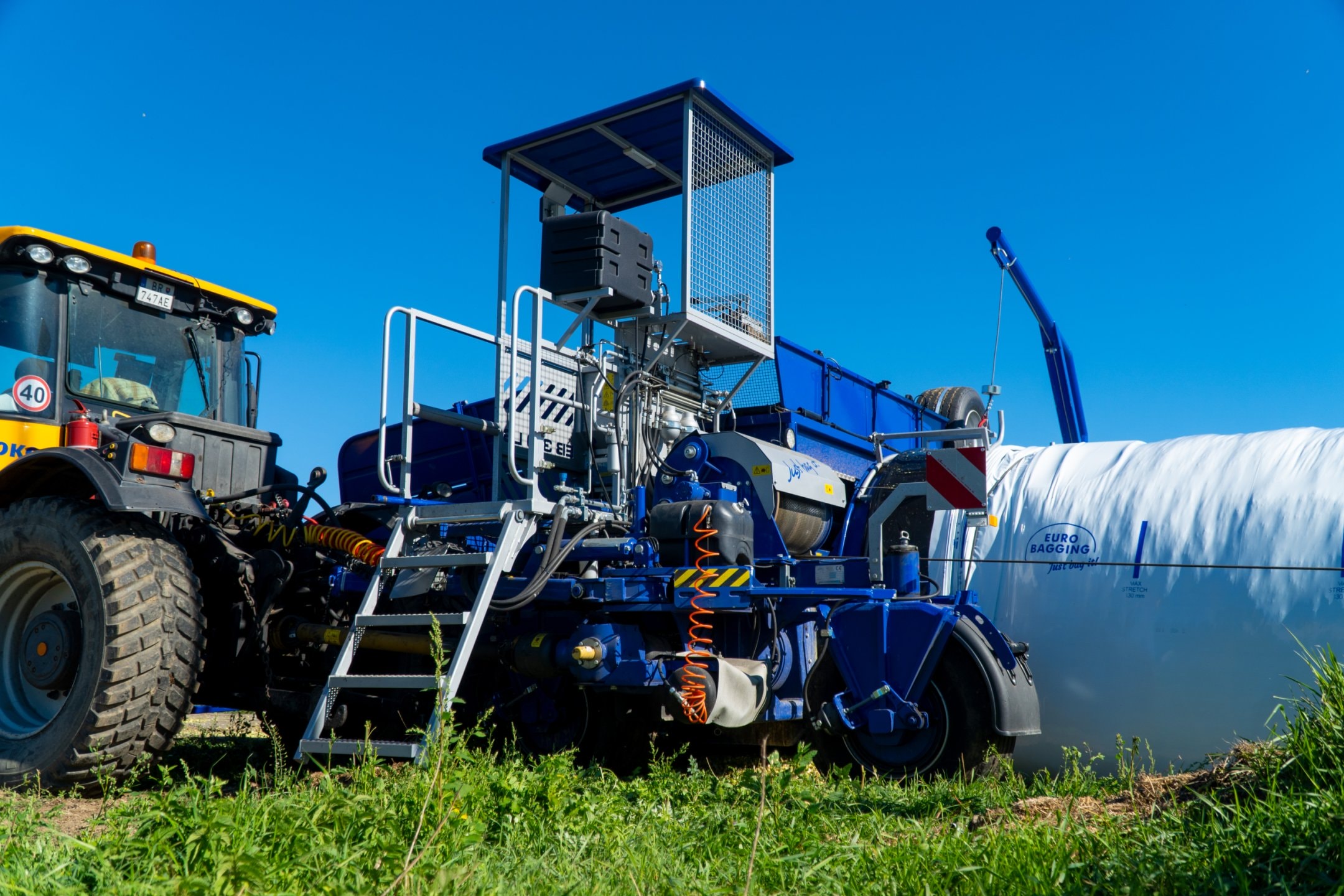
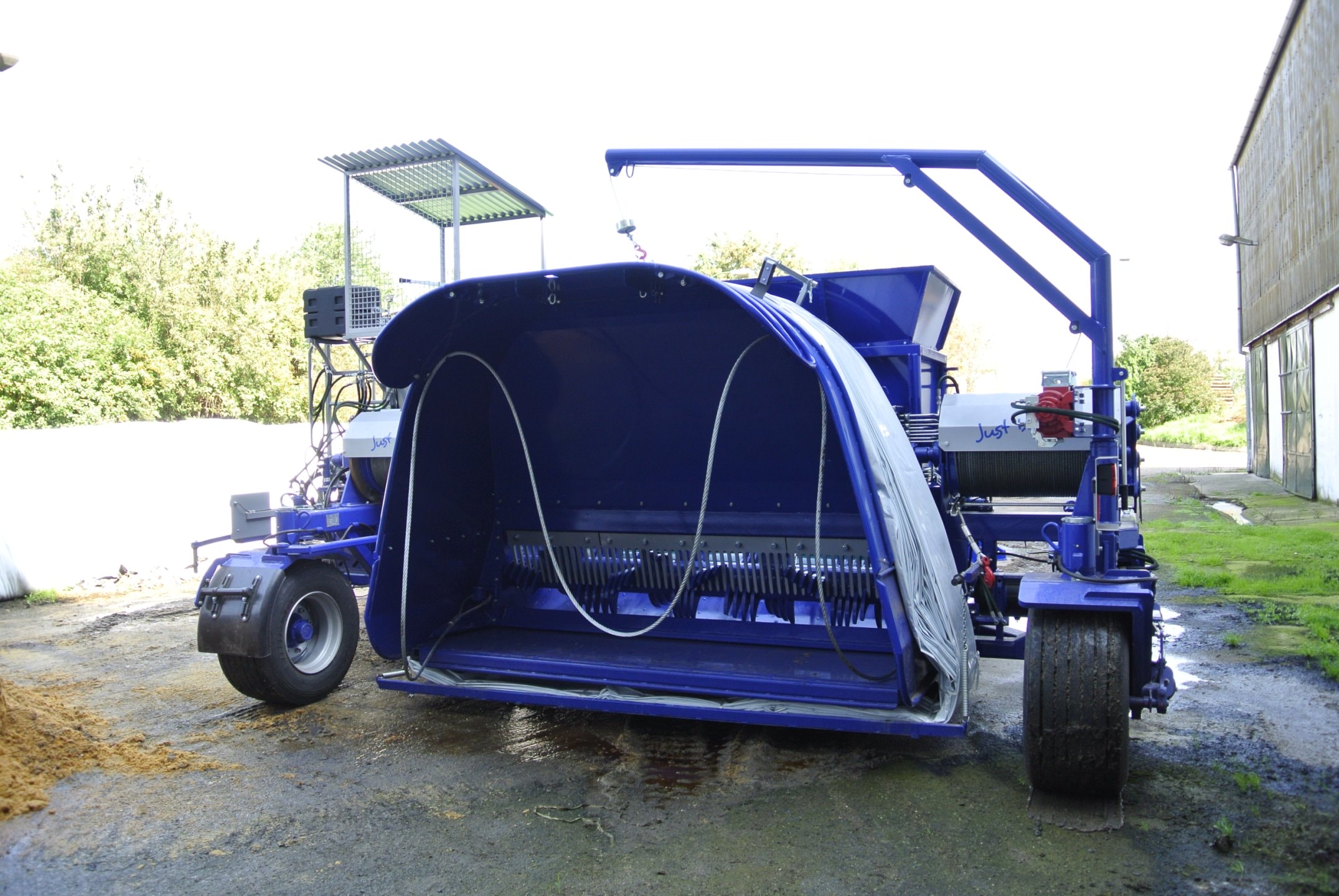
The EB 310 LG silage bagger is a technically advanced machine equipped with the latest features on the market. Its hydraulic system is designed for LOAD SENSING, which helps reduce the tractor’s fuel consumption. You can choose between two tunnel size combinations: the smaller set with 2.4 m and 2.7 m tunnels, or the larger set with 2.7 m and 3.0 m tunnels. All tunnels are extended to eliminate bulging in the silage bag.
EB 310 LG - Technical data sheet
From Road to Bag in One Step
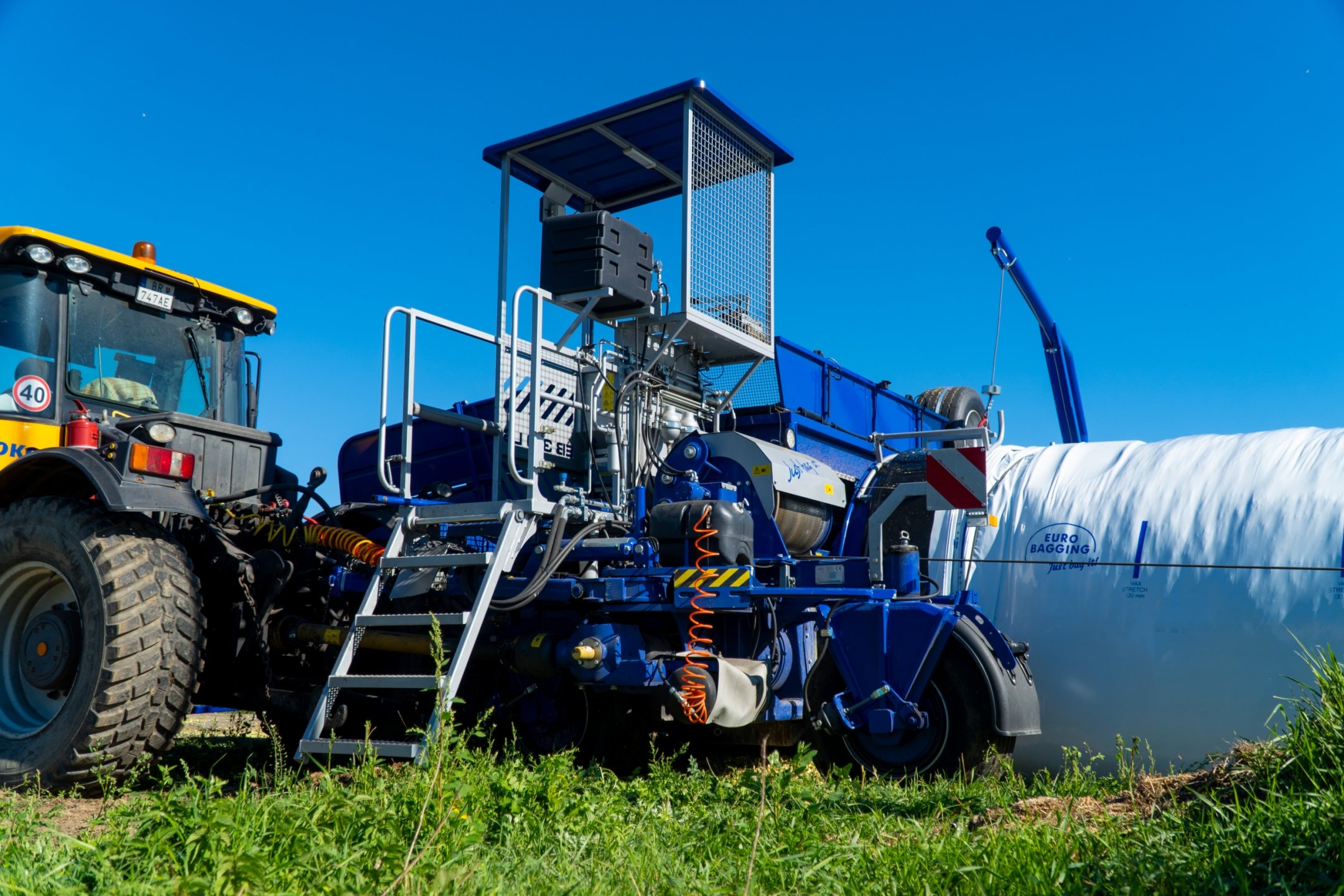
The silage bagger is attached to the tractor on the operator platform side. Thanks to the new QUICK system, the connection remains permanent for both transport and bag filling—there’s no need to disconnect the tractor during setup. This system significantly simplifies and speeds up the bagging preparation process, which is especially appreciated by contracting services that frequently change bagging locations.
To quickly reverse onto the bag, all it takes is a skilled tractor operator who gradually angles the machine up to 90° relative to the tractor. The front and rear wheels are steered remotely using a portable controller, and the turning speed is proportionally regulated via joystick. Once the machine reaches an exact 90° angle, an indicator light on the controller turns on, and the bagger can be locked in position - also remotely, using a locking pin controlled from the same device.
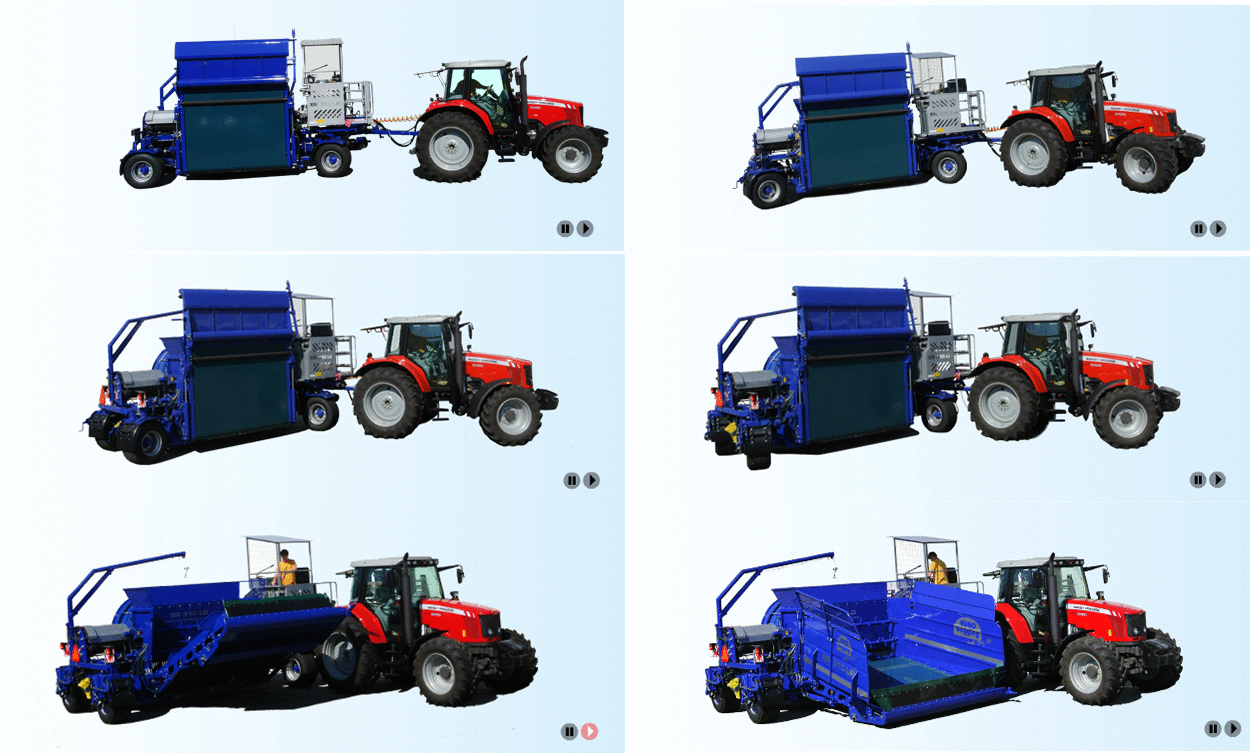
Features of the Silage Bagger and its Comfortable Operation
As mentioned earlier, all auxiliary functions can be operated via a remote control, allowing the machine to be handled by just one person. Comfort is further enhanced by several hydraulic features: a hydraulic crane helps to fit the silage bag, the drawbar is raised hydraulically when connecting the machine to the tractor, and a hydraulic sliding floor under the rotor makes it easy to clean the tunnel at the end of the bag - any remaining feed simply drops into the bag.
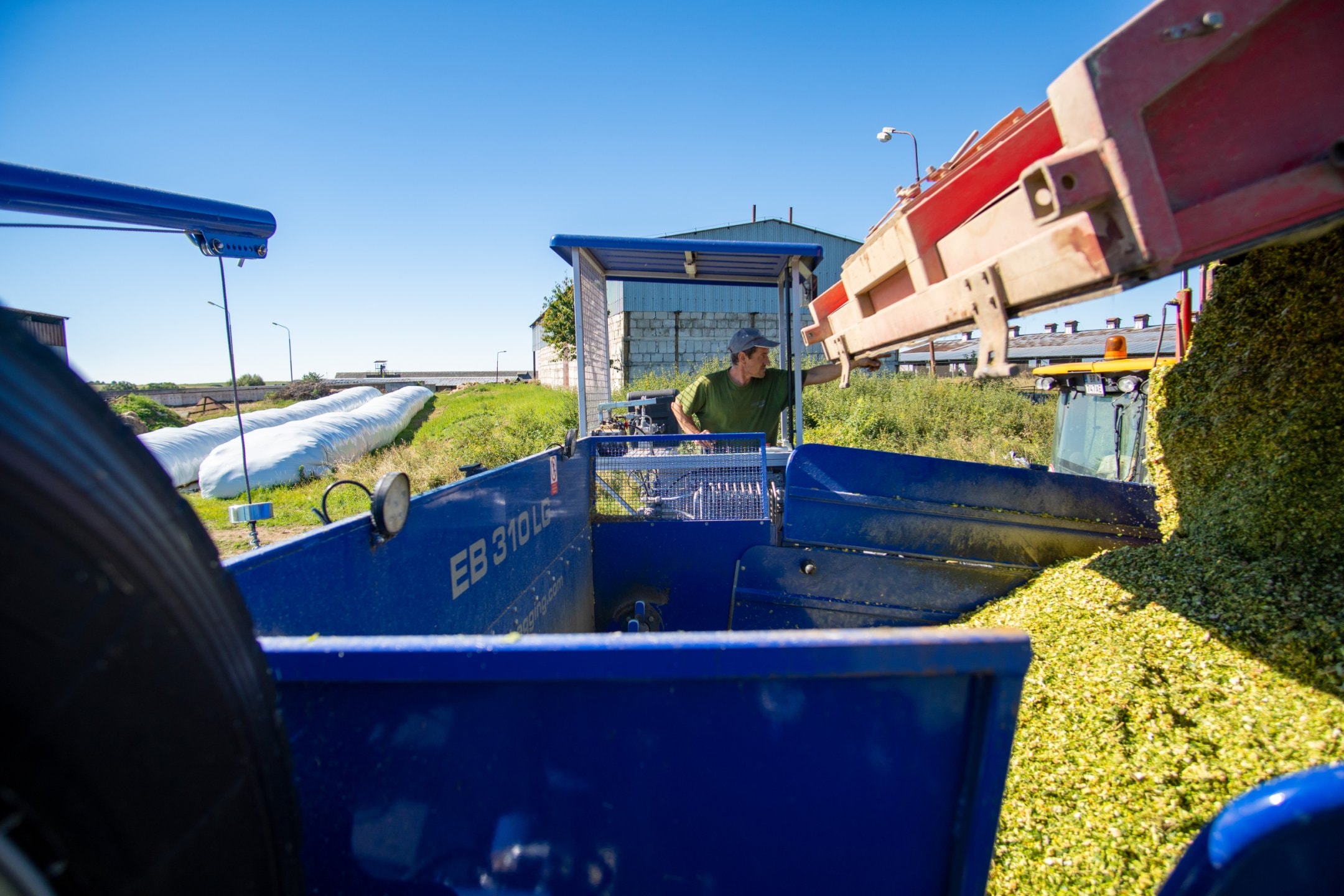
The only mechanical controls are the tilting of the feed table, the movement of the belt conveyor on the table, and the agitator shaft. The latter two are proportionally controlled - the operator sets speed and direction by moving a friction-locked lever on the control valve. The operator platform is spacious and elevated for a clear view into the filling area. The feed table features raised side panels to prevent material from falling off during loading, and a rubber guard at the front keeps the feed from spilling forward.
Dual Control – from Tractor Cabin and Platform
For even greater convenience during bagging, the EB 310 LG bagger can be optionally equipped with a dual remote control system. Inspired by feedback from our customers, this feature has been developed to make operating the bagger as comfortable as possible. How does it work? One controller is located on the machine’s platform, while the second is installed in the tractor cab, along with a camera system. Both controllers have the same functions, allowing the operator to fully control the bagger from either position during the bagging process.
Grass silage
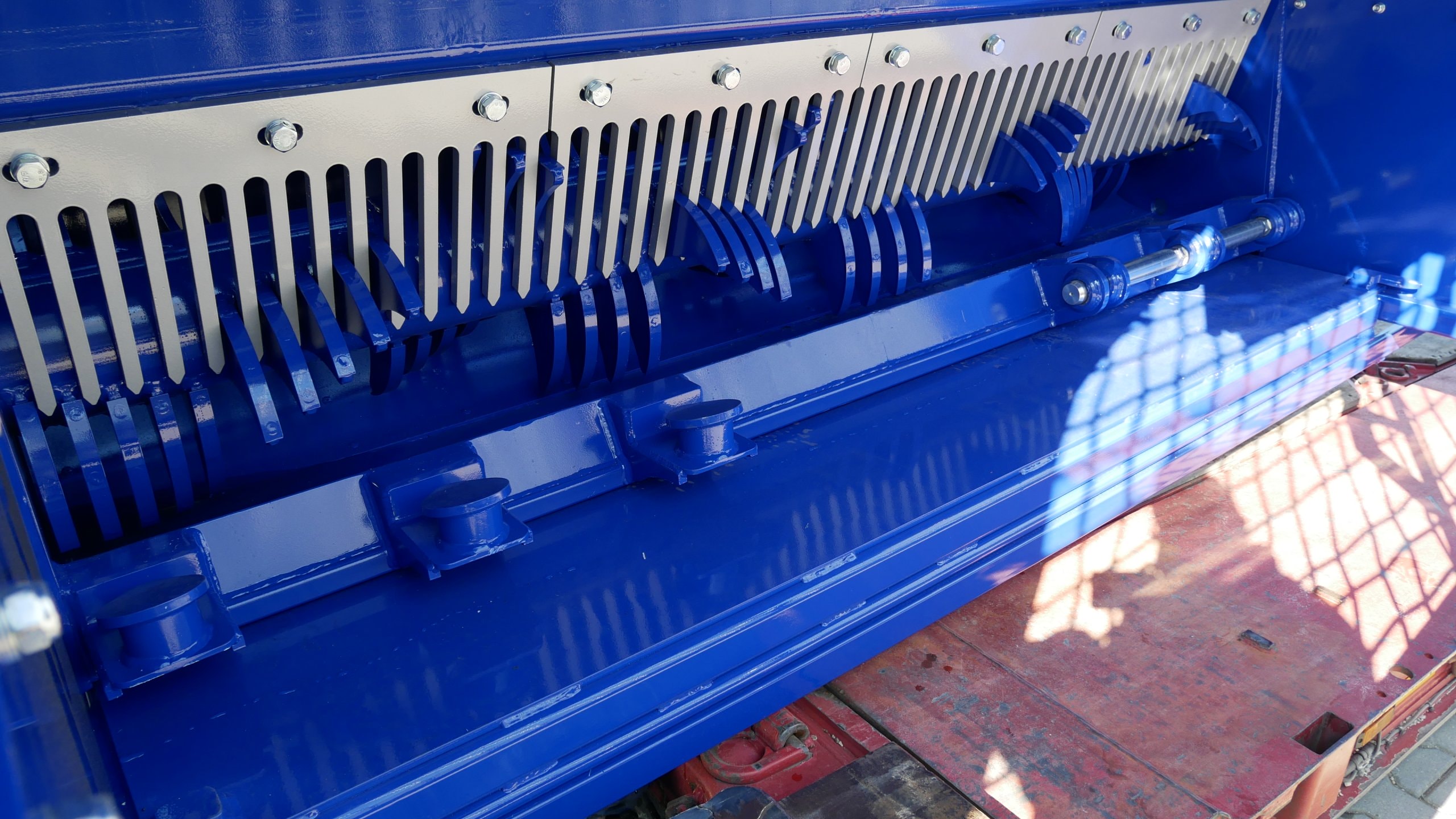
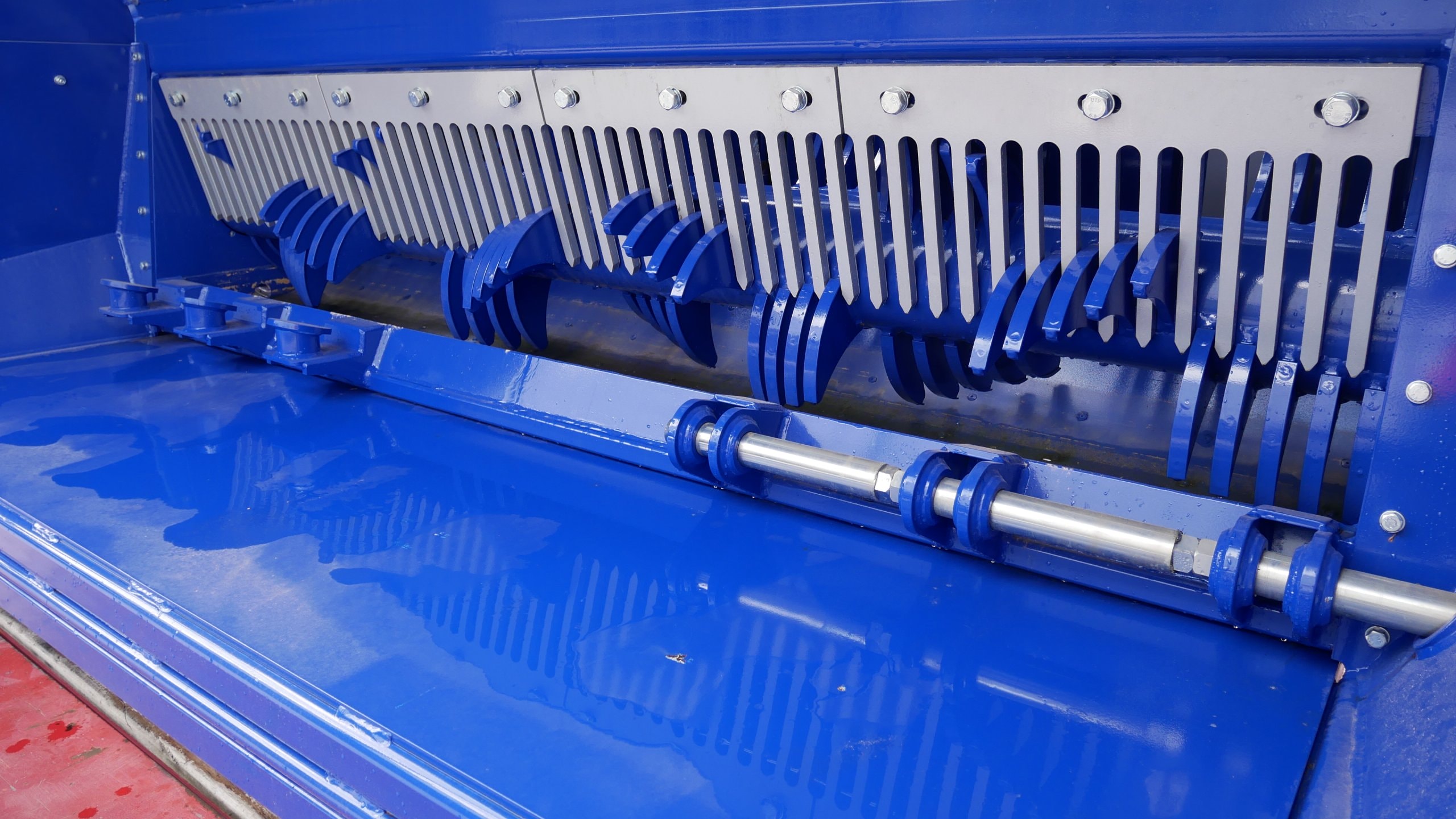
Uniformly compacted silage is ensured by a specifically designed rotor with irregularly spaced fingers that continuously press the feed into the compression chamber (tunnel), removing all air. The machine can handle all types of grasses, clover-grass mixtures, alfalfa, and various blends. Maintaining proper silage quality depends on correct harvesting techniques - especially the proper chop length and optimal dry matter content.
Silage from self-loading forage wagons can also be bagged, but it's important to ensure sharp knives on the wagon. Generally, the longer and drier the chop, the more difficult it is to compact the material and the lower the resulting silage quality. Proper compaction is achieved with disc brakes that, through steel cables, hold a barrier at the end of the bag. The EB 310 LG is equipped with four large brake calipers, ensuring smooth cable unwinding without jerks or sudden movements.
Maize silage
Bagging corn silage is easier than bagging grass silage. Corn has a looser structure, resulting in a more uniform bag. Lower braking pressures are typically used. If the terrain is suitable, the bagger can operate without a rear gate. In the internal braking system, a looped cable passes through the bag, with additional braking provided by the air brake system on the wheels. Braking intensity is controlled from the operator platform.
This system allows to fill bags longer than 75 meters, most commonly 90 meters. Internal braking is also more convenient - there’s no need to lay out steel cables, rewind them, or move the end barrier between bags. Users report up to 30% higher daily output with internal braking compared to using a rear gate.
Sugar Beet Pulp, Brewers’ Grains, and Other By-products
In the past three years, there has been increasing demand for storage of agricultural by-products. Products like sugar beet pulp and brewers’ grains are valuable supplements to feed rations. Bagging these materials requires special attention, particularly due to low dry matter. For this purpose, smaller bag diameters - 2.7 m or 2.4 m - are preferred. These materials can be bagged quickly and don’t require high compaction pressure. Brewers’ grains are often bagged with minimal or no pressure, and in some cases, the tractor needs to move slightly forward during bagging.
CCM – Cracked Corn and Grains
The machine can also be used to store cracked corn (CCM) or whole grains. For these products, smaller bag diameters of 2.7 m or 2.4 m are generally used.
